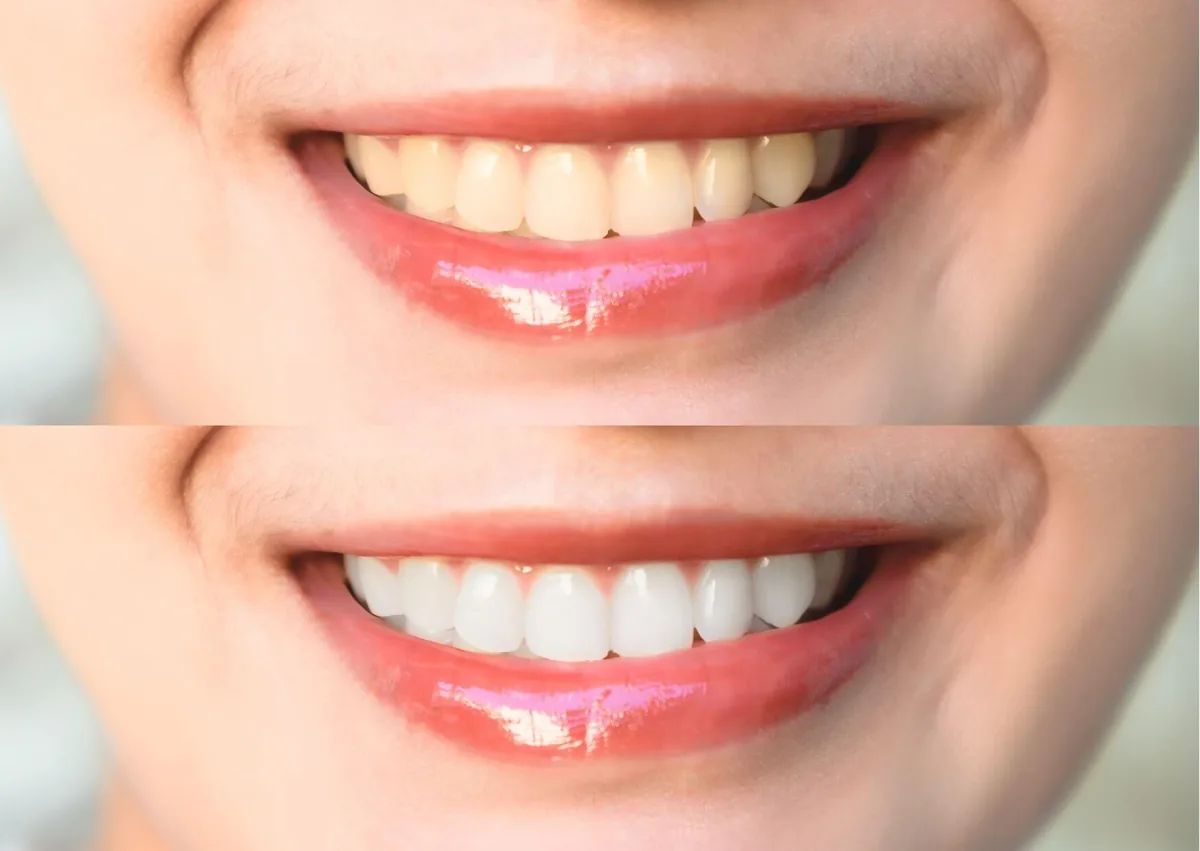
A smile makeover before and after comparison can show real improvements in tooth color, shape, spacing, alignment, and overall balance. The main takeaway is that results can be dramatic, but they depend on your oral health, facial features, bite, and the treatments used, so photos should guide expectations rather than promise an identical outcome.
If you want to improve tooth color, shape, spacing, or alignment, a smile makeover can combine the right treatments into one clear plan. Dulce Dental in Dallas. TX helps patients understand realistic before-and-after results so decisions are based on oral health, function, and appearance.
A smile makeover is a personalized mix of cosmetic and restorative dental treatments. It may address stains, chips, worn edges, small gaps, uneven teeth, mild crowding, missing teeth, or older dental work that no longer matches.
Common options include professional teeth whitening, dental bonding, porcelain veneers, crowns, orthodontic treatment, tooth replacement, and gum contouring. Healthy teeth and gums come first, so cavities, gum disease, infection, or bite instability usually need treatment before cosmetic work begins.
Some concerns need only a small change. Whitening or bonding may be enough for limited discoloration or minor chips, while more complex issues may need a staged plan.
Planning usually starts with an exam of the teeth, gums, bite, and jaw function. X-rays, photos, digital scans, or models may also be used to find problems that do not show in a standard smile photo.
Dentists look at more than tooth color. Tooth size, symmetry, gum levels, lip movement, facial proportions, and how the teeth come together all affect whether the final result looks natural and feels comfortable.
Some offices offer digital previews or temporary mock-ups. These can help with decision-making, but a preview is not a guarantee because healing, materials, and natural anatomy can affect the final result.
Useful before and after photos should use similar lighting, angles, and facial expression. Filters, whitening effects, or different camera settings can make a result look more dramatic than it really is.
Ask what treatments were done, how long the process took, and whether the case was similar to yours. A photo may not show enamel wear, gum recession, bite problems, or older dental work.
It also helps to judge the result at normal speaking distance, not only in a close-up image. Teeth that look very bright or perfectly uniform may not suit every face, age, or complexion.
Professional whitening can improve many surface and age-related stains, but teeth whitening limits include the fact that it does not change the color of crowns, veneers, or fillings. It may also be less effective for discoloration caused by trauma, certain medications, or changes inside the tooth, and temporary sensitivity is possible.
For more on these whitening limits, see the ADA's patient guidance. If you’re considering over-the-counter options, read about teeth whitening strips.
Dental bonding uses tooth-colored resin to repair small chips, close limited gaps, or reshape teeth. It often requires less tooth alteration than veneers or crowns, but the material can stain, chip, or wear over time. For a direct comparison, see bonding vs. veneers.
Veneers and crowns can create larger changes in color, shape, and proportion. Veneers cover the front of selected teeth, while crowns cover more of the tooth and may be better when there is major damage or large existing restorations.
Orthodontic treatment moves teeth and may improve spacing, crowding, and bite alignment without covering healthy enamel. Options such as Invisalign use a series of clear, removable aligners. Treatment takes time, and retainers are usually needed afterward to help keep teeth in position.
Treatment time can range from one or two visits for whitening or bonding to many months for orthodontics, implants, or more complex rehabilitation. Cost and insurance coverage also vary, and cosmetic procedures are often not covered unless part of treatment is medically necessary.
Some procedures can cause temporary sensitivity or mild gum tenderness. Ongoing pain, a bite that feels off, loose dental work, or increasing sensitivity should be checked rather than treated as a normal cosmetic tradeoff.
No cosmetic result is maintenance-free. Whitening may need touch-ups, bonding may need repair or polishing, and veneers, crowns, implants, and retainers all need regular follow-up.
Brush twice a day with fluoride toothpaste, clean between the teeth, and keep dental visits at the interval your dentist recommends. Avoid using your teeth to open packages or bite hard objects.
If clenching or grinding is damaging your teeth or restorations, ask whether a nightguard would help. If grinding is a concern, learn how to fix grinded teeth.
Tobacco and frequent exposure to coffee, tea, red wine, and other strongly colored products can increase staining. Regular cleanings and limiting repeated exposure may help, while harsh abrasive products can wear enamel or dull restorations.
Before starting treatment, ask which changes are reversible, how much tooth structure may be removed, how long materials usually last, and what maintenance will be needed. A careful consultation can help you choose the most conservative option that still meets your goals.
Schedule a dental evaluation before pursuing cosmetic treatment if you have tooth pain, bleeding or swollen gums, loose teeth, broken restorations, jaw discomfort, or unexplained color changes. These symptoms may point to decay, gum disease, infection, trauma, or bite problems that should be diagnosed first.
Seek prompt care for worsening pain, facial or gum swelling, fever with a dental problem, pus, or trouble opening the mouth. Trouble breathing or swallowing with facial or neck swelling requires emergency care.
Active gum disease usually needs to be controlled before a smile makeover. It can lead to inflammation, recession, bone loss, and tooth instability, and cosmetic planning is more predictable once the gums are healthy enough to support treatment; learn how to treat gum disease.
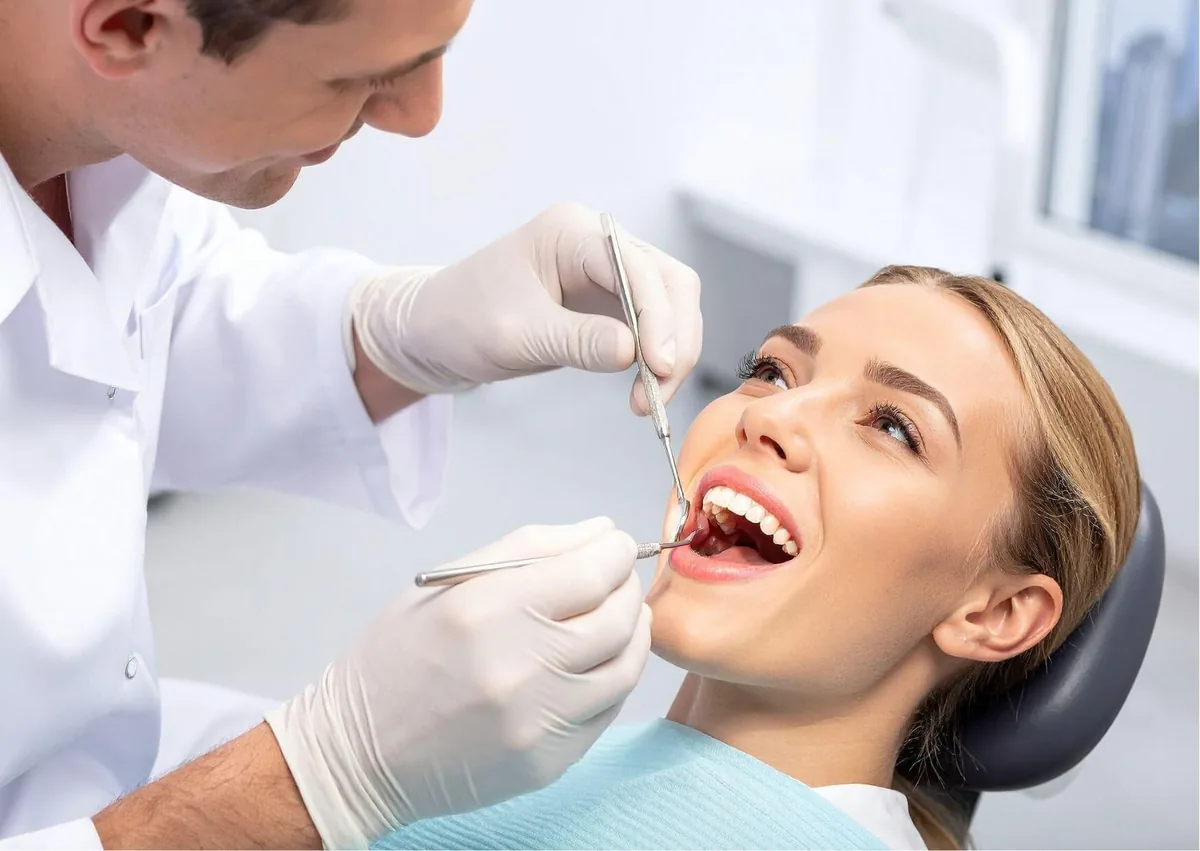
Even if you do not have symptoms, an in-person exam is the safest way to find out what changes are realistic and whether treatment could affect tooth strength or bite function. Bringing examples of results you like and dislike can help guide the conversation.
A consultation can confirm which treatments will achieve your goals while protecting oral health and long-term function. Contact Dulce Dental for a smile makeover consultation in Dallas. TX; we also serve West Dallas and Oak Cliff, and can help you plan next steps. Call (214) 337-0153 to request an appointment.
A limited makeover with whitening or bonding may take a few visits. Orthodontics, implants, or multiple restorations can take several months or longer.
No. Teeth continue to age, and whitening, bonding, veneers, crowns, and other restorations may eventually need maintenance, repair, or replacement.
Comfort depends on the procedure and your sensitivity level. Local anesthesia can be used when tooth structure is being altered, and some temporary sensitivity or gum tenderness may happen afterward.
A photo can show your preferences, but an exact copy may not be possible or appropriate. Tooth structure, gum levels, facial proportions, bite, and oral health all affect what can be done safely.
Usually not until the gum disease is under control. Healthy gums are important for a stable, predictable cosmetic result.