A small chip in a front tooth can feel minor until it catches the light, a camera, or a conversation. That is usually when the real question hits: should the tooth be repaired with bonding, or is it time for veneers?
Both treatments can improve shape, color, and symmetry, but they are not interchangeable. Bonding is usually the quicker, more conservative repair, while veneers are often chosen for broader cosmetic change and longer-term stain resistance. The right option depends on what needs to be corrected, how much healthy enamel is present, how the bite functions, and how much maintenance a patient is realistically willing to accept.
At Dulce Dental in Dallas, TX, patients can explore cosmetic dentistry options based on their goals, oral health, and long-term expectations. Cosmetic bonding and veneers may both improve smile appearance, but the right recommendation depends on enamel health, bite function, and the type of correction needed.
Dental bonding uses a tooth-colored resin, which is a durable plastic material shaped directly onto the tooth. The dentist places the resin, sculpts it to improve contour or repair damage, and hardens it with a curing light so it bonds to the enamel. In many practices, this is offered as a form of cosmetic bonding for small repairs and shape changes.
Veneers are thin shells, usually made from porcelain or sometimes composite material, that cover the front surface of a tooth. They are designed outside the mouth or carefully layered in place depending on the material and technique, then attached to the tooth to change color, shape, length, or the appearance of alignment. High-quality porcelain veneers are valued for their lifelike appearance and stain resistance.
The difference matters because the materials behave differently over time. Composite resin can look excellent, but it is generally more prone to staining, edge wear, and chipping than porcelain. Porcelain tends to hold its gloss and color better and offers better stain resistance, but it often involves more planning and, in many cases, some enamel reshaping.
On the surface, bonding and veneers may seem like two ways to get the same result. In reality, dentists weigh several moving parts before recommending either one. Tooth position, enamel thickness, grinding habits, gum health, and the size of the cosmetic concern can all change the answer.
A tiny corner chip on one front tooth is a very different problem from generalized discoloration, multiple worn edges, or uneven tooth proportions across the smile. The more extensive the cosmetic change, the more veneers may make sense, especially when several teeth need to match in color and shape.
There is also an ethical side to this choice. A treatment can look impressive in photos and still be the wrong fit biologically. If a patient wants a dramatic cosmetic change but has active gum inflammation, untreated decay, or heavy clenching, the first priority should be stabilizing oral health rather than rushing into a cosmetic procedure; we can treat gum disease before moving forward.
Bonding is often the better first step when the issue is small and localized. Common examples include a chipped edge, a narrow gap, slight unevenness, mild shape correction, or a tooth root surface exposed near the gumline.
It is also attractive because it usually preserves more natural tooth structure. In many cases, little to no drilling is needed, which makes bonding one of the more conservative cosmetic options in dentistry.
Bonding can also be useful as a trial run. If a patient is considering a bigger cosmetic redesign later, composite may help test changes in length or shape before committing to porcelain. That said, bonding is not ideal for every smile. If the bite places high force on the repaired area, the material may chip or wear faster.
Veneers are often considered when the cosmetic concerns are broader, more visible, or harder to solve with direct resin alone. This may include teeth with persistent discoloration that does not respond well to whitening, multiple front teeth that need reshaping, or smiles where symmetry and surface texture matter as much as color.
Porcelain veneers are especially valued for how they reflect light. That optical quality can create a more enamel-like appearance than composite in some cases, particularly when several front teeth are being treated together.
Veneers are not automatically the premium answer. They require careful case selection. If there is not enough enamel for reliable bonding, if the bite is unstable, or if oral habits are likely to overload the restorations, the result may be less predictable.
For many patients, the decision comes down to three things: how it looks, how long it lasts, and how much upkeep it needs. For practical cleaning and maintenance advice, see our oral care recommendations.
Bonding can be beautifully done, especially in the hands of a dentist with strong cosmetic training. But composite resin is more vulnerable to coffee, tea, red wine, smoking, and gradual surface dulling. It may also develop tiny edge defects over time that make repairs more likely.
Porcelain veneers generally keep their polish and shade better. They are also more resistant to superficial staining. That does not mean they are indestructible. Veneers can chip, debond, or fail if subjected to heavy force, trauma, or poor oral hygiene around the margins.
| Feature | Bonding | Veneers |
| Typical use | Small repairs or modest cosmetic changes | Broader cosmetic redesign or multi-tooth enhancement |
| Tooth reduction | Often minimal or none | Often some enamel reshaping is needed |
| Appointment timeline | Frequently completed in one visit | Usually requires planning and more than one visit |
| Stain resistance | Lower | Higher, especially with porcelain |
| Repairability | Often easier to repair directly | Repair may be possible, but replacement is sometimes needed |
| Longevity pattern | May wear or discolor sooner | Often lasts longer when well planned and maintained |
No table can replace an exam, because durability depends heavily on bite forces and habits. A patient who clenches at night, bites nails, chews ice, or uses front teeth to open packaging changes the risk profile significantly.
The most important technical detail is not the brand of material. It is the interface between the restoration and the tooth.
Dentists generally prefer bonding to enamel rather than dentin when possible. Enamel is the hard outer layer of the tooth, and it provides a more predictable surface for adhesion. Dentin sits underneath enamel and is softer and more moisture-sensitive, which can make long-term adhesion less reliable in some situations.
That is one reason conservative treatment planning matters. If a tooth can be improved without aggressive reduction, preserving enamel may support a stronger and more durable bond. This is especially relevant in younger patients, where large irreversible cosmetic changes deserve extra caution.
The bite also matters more than many people realize. Front teeth do not just show when smiling. They guide movement when chewing and speaking. If a restoration is placed where forces are concentrated, especially in a patient with bruxism, which means grinding or clenching, the material may fracture or wear prematurely. Consider a custom nightguard to protect restorations when grinding or clenching is a concern.
This is where good cosmetic dentistry separates itself from rushed cosmetic sales. The best result is not the brightest smile on day one. It is the one that still functions well and looks natural years later.
Both bonding and veneers are generally safe when properly planned, but neither is risk-free. Teeth may become sensitive after preparation or polishing. Margins can stain. Restorations can chip. If underlying decay, gum disease, or bite instability is missed, cosmetic work may fail earlier than expected.
There is also a common misunderstanding that veneers are a simple cover-up for any dental problem. They are not. If a tooth has pain, infection, a crack extending deeper into the tooth, or significant structural loss, the treatment may need to be something else entirely.
Seek prompt dental assessment if there is severe tooth pain, swelling, a loose restoration, or sudden bite changes. Those findings may point to a problem that needs urgent evaluation rather than a cosmetic touch-up.
Persistent bleeding gums, bad breath that does not improve, or tenderness around cosmetic dental work should also be checked. Sometimes the issue is minor irritation. In other cases, it may signal plaque retention around margins, gum inflammation, or a restoration contour that needs adjustment.
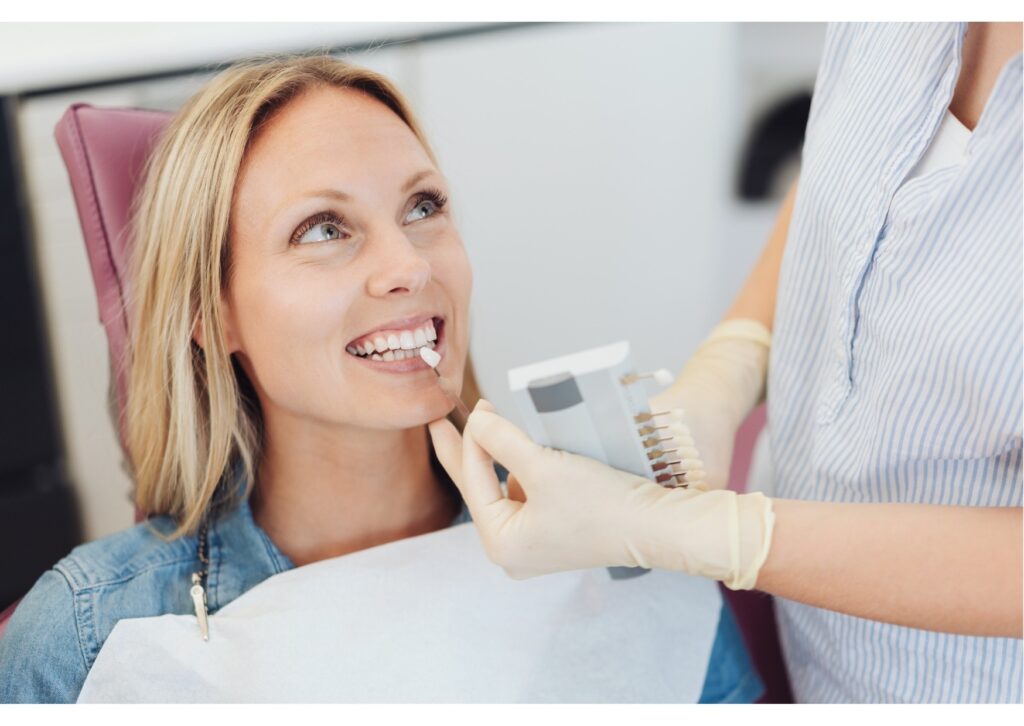
A responsible cosmetic consultation should go beyond shade selection. The dentist will usually assess gum health, enamel quality, existing fillings, tooth position, and how the upper and lower teeth contact during movement.
Photos, digital scans, and mock-ups may be used to preview shape changes. These tools can be helpful, especially for veneers, because they allow a patient to see whether a proposed design looks natural in the context of the face, lips, and smile line.
If the recommendation feels bigger than the problem, it is reasonable to ask why. A good dentist should be able to explain not just what is possible, but why one approach is safer, more durable, or more biologically respectful than another.
If you are comparing bonding vs veneers, a personalized cosmetic consultation can help you choose the option that best fits your smile goals, oral health, and long-term expectations. Contact Dulce Dental in Dallas, TX at +1 214-337-0153 to schedule your consultation and learn more about cosmetic bonding and porcelain veneers.
Not universally. Bonding is often better for small chips, minor gaps, and conservative repairs. Veneers may be better for broader cosmetic changes, especially across multiple front teeth.
In many cases, yes. Porcelain veneers generally resist staining and surface wear better than composite bonding, but longevity still depends on bite forces, oral hygiene, and habits like clenching.
Bonding is often more conservative because it may require little or no enamel removal. That can make it a strong option when only modest cosmetic change is needed.
Sometimes for mild visual correction, but not always. Bonding can improve the appearance of slight irregularities, yet more significant alignment problems may need orthodontic treatment or a different restorative plan.
Arrange prompt evaluation if there is severe pain, swelling, a piece that breaks off, a restoration that feels loose, or a bite that suddenly feels wrong. Those issues may need timely assessment rather than watchful waiting.