Teeth bonding usually costs about $300 to $600 per tooth in the United States, though the total can be lower or higher depending on the repair. The cost of tooth bonding depends on how many teeth need treatment, how much shaping is involved, local dental fees, and whether insurance helps.
If you want to fix a small chip, gap, or stain without more extensive dental work, cosmetic bonding may be a simple option. At Dulce Dental in Dallas, TX, treatment is planned to blend with your natural tooth color while preserving as much healthy enamel as possible.
Dental bonding uses a tooth-colored composite resin to repair or improve a tooth. It can help close a small gap, cover discoloration, smooth an uneven edge, or restore a minor chip.
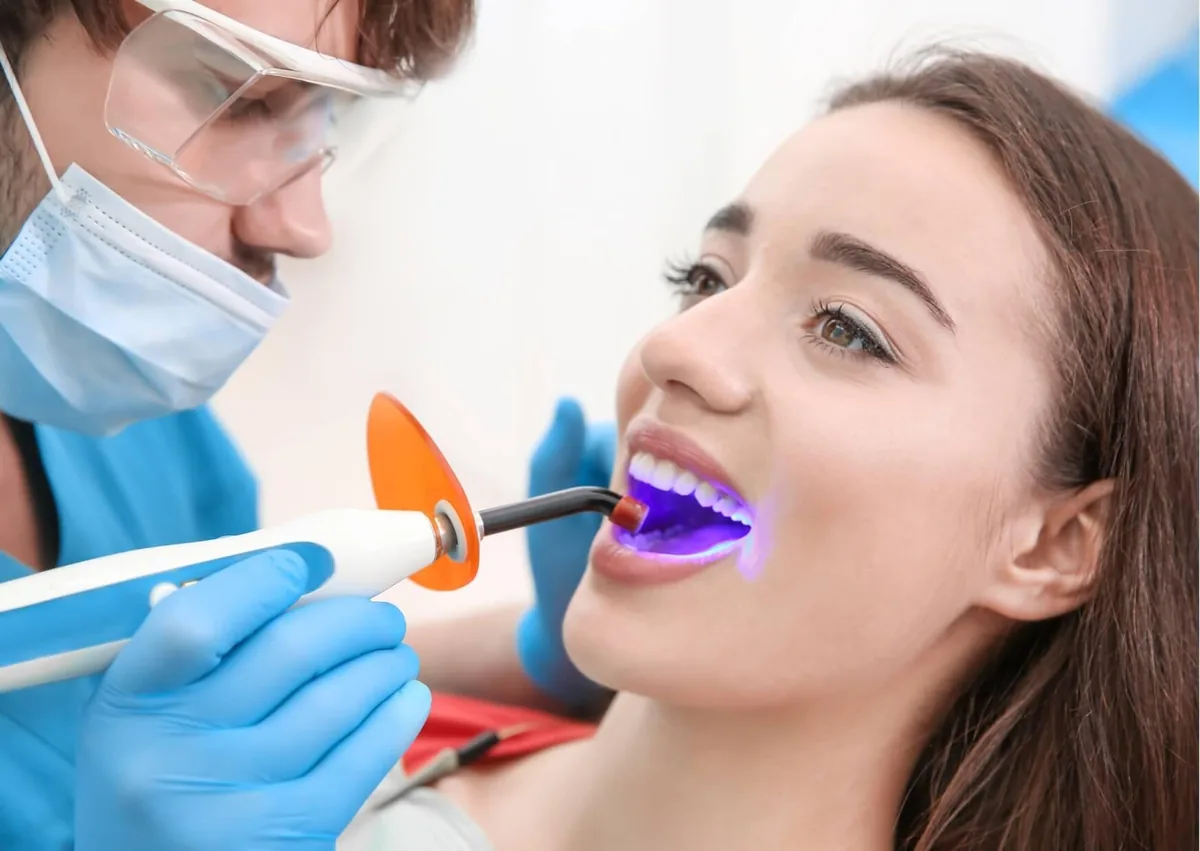
The dentist places the material directly on the tooth, shapes it, and hardens it with a special light. Many cases are completed in one visit, often with little or no enamel removal.
For larger fractures or more extensive cosmetic changes, another restoration may be a better fit. In those cases, a dentist may discuss veneers or crowns instead.
The price depends on the size and difficulty of the repair. A tiny chip on one front tooth usually costs less than bonding several teeth or reshaping a larger area.
Other factors include the amount of resin used, the tooth's location, the dentist's experience, and whether the bite needs adjustment. If the bonding is on a tooth that handles more pressure, extra shaping and polishing may be needed.
Some offices include the exam, X-rays, and follow-up adjustments in the quoted fee, while others bill those separately. Ask for a written estimate so you know what is included before treatment begins.
Location also affects cost. Fees in larger metro areas are often higher than fees in smaller communities.
Insurance may help pay for bonding when it restores a chipped, decayed, or damaged tooth. Purely cosmetic dentistry is often excluded, but every plan has its own rules.
Coverage can vary based on deductibles, waiting periods, annual maximums, and whether the procedure is considered medically necessary. A pretreatment estimate can help clarify what your plan may pay, although it is not a guarantee.
If insurance does not cover much of the cost, ask whether treatment can be phased or financed. That can make out-of-pocket costs easier to manage.
Bonding is usually less expensive and less invasive than porcelain veneers or crowns. It is often a practical choice for small cosmetic changes and minor damage when preserving enamel matters.
Composite resin is not as stain-resistant or as durable as porcelain. Over time, bonding can chip, wear down, or discolor, especially on teeth exposed to heavy biting forces or grinding.
A dentist may recommend veneers for a longer-lasting cosmetic change or a crown when a tooth has lost a lot of structure. If you are comparing options, ask about other cosmetic dentistry services and review differences in durability, cost, and maintenance, including bonding vs. veneers.
Active decay, gum disease, or bite problems may need treatment before any cosmetic procedure. Fixing those issues first helps the bonding last longer and function better.
The dentist may lightly roughen the tooth and apply a conditioning liquid so the resin bonds well. The material is then placed, shaped, cured with a light, and polished.
Most people return to normal activity right away. Mild sensitivity can happen, but ongoing pain, a rough edge, or a bite that feels off should be checked.
Bonding often lasts between three and 10 years, depending on where it is placed, how large it is, and how well it is cared for. It may eventually need polishing, repair, or replacement.
Brush twice a day with fluoride toothpaste and clean between your teeth daily. Regular dental visits can help catch small chips, wear, or edge problems early.
Avoid chewing ice, pens, fingernails, hard candy, or food packaging with bonded teeth. If you clench or grind, ask whether a night guard could help protect the bonding and your natural teeth, and learn more about how to fix grinded teeth.
Coffee, tea, tobacco, and other dark pigments can stain composite resin over time. If tooth color is a concern, ask about teeth whitening before bonding because bonded material does not whiten predictably.
Have a dentist evaluate the tooth before choosing bonding. The exam helps check for decay, a cracked tooth, gum problems, and bite issues that could affect the result.
Seek prompt care if the tooth is painful, increasingly sensitive, loose, sharply broken, or injured. Even a small-looking problem can involve deeper damage.
Urgent dental care is appropriate for facial swelling, fever with dental pain, uncontrolled bleeding, or a tooth that has been knocked out or moved out of place. Severe swelling that affects breathing or swallowing needs emergency medical care.
A dental exam and personalized estimate are the best ways to learn whether bonding is a good option and what the full cost will be. Bring your insurance information and questions about alternatives, longevity, and future maintenance.
To confirm whether bonding is the best option for your tooth and to get a personalized cost estimate, request an evaluation with our clinical team. Contact Dulce Dental at (214) 337-0153 for cosmetic bonding in Dallas, TX, serving West Dallas and Oak Cliff, and call or schedule a visit.
Yes. Dentists commonly price bonding by the tooth, although a tooth with multiple repaired areas may cost more because it takes more time and material.
It can be a good value for a small chip, gap, or shape change because it is conservative and often completed in one visit. Whether it is worth it depends on your goals, bite, and how long you want the result to last.
Bonding can often repair a small chip or limited fracture. A deeper crack, larger break, or weakened tooth may need a crown, root canal treatment, or another restoration instead.
Bonding usually requires little or no enamel removal compared with veneers or crowns. Some surface preparation may still be needed, and removal or replacement should be done by a dentist.
No. Whitening products do not reliably lighten composite resin, so dentists often recommend whitening first and then matching new bonding to the final tooth shade.\