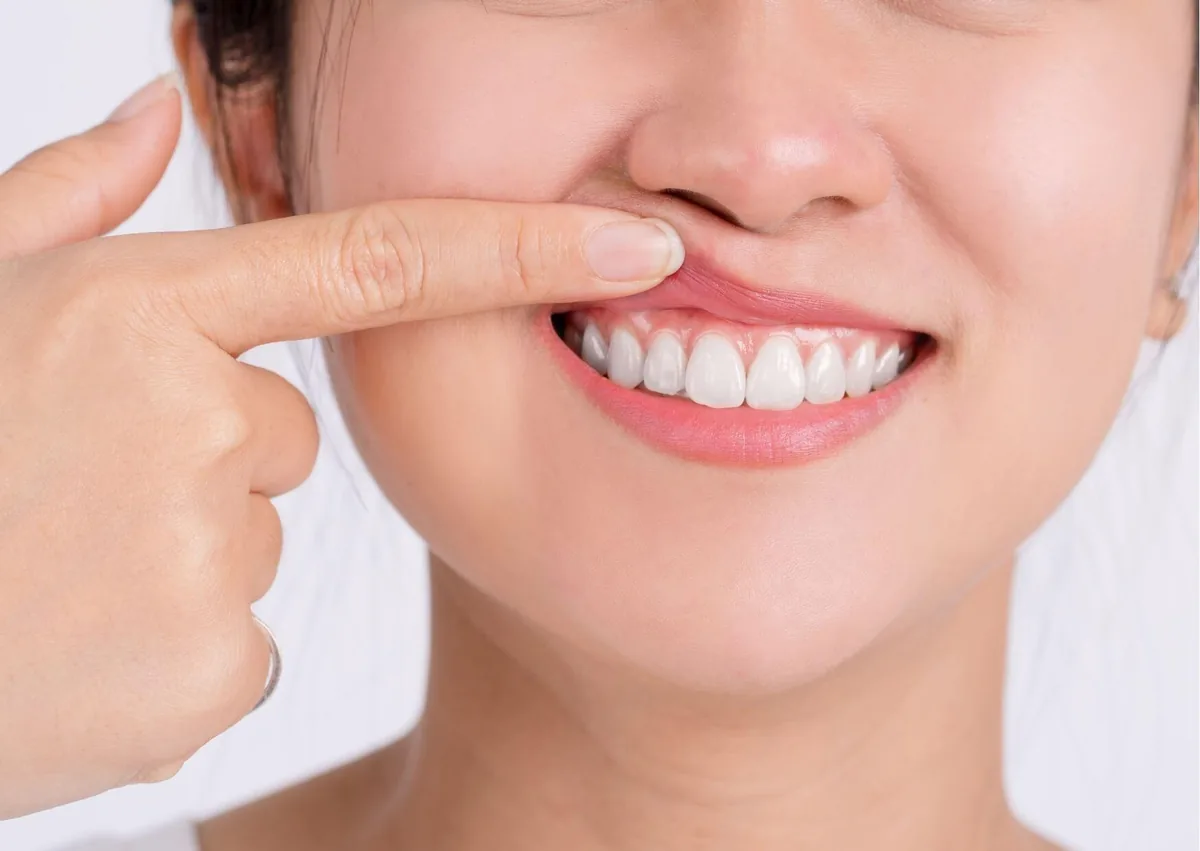
Gum contouring reshapes the gumline when excess tissue, uneven gums, or recession affects appearance, cleaning, or tooth support. It can help in the right case, but the best approach depends on why the gumline looks uneven and whether the gums and supporting bone are healthy.
If excess gum tissue or a low gumline is making teeth look short, crown lengthening can be the surgical step that reveals more teeth and helps create a stable, lasting margin for restorations or cosmetic goals. At Dulce Dental in Dallas, TX, we explain how targeted reshaping can make restorative or cosmetic goals more predictable and comfortable for each patient.
Gum contouring is a general term for procedures that remove, reshape, reposition, or add gum tissue. It may help when teeth look short because too much gum covers them, the gumline looks uneven, or overgrown tissue makes brushing and flossing harder.
Sometimes a low or uneven gumline is simply a natural feature. In other cases, it can be related to inflammation, certain medications, tooth position, or jaw development.
If swollen or bleeding gums are part of the problem, the underlying condition usually needs treatment first. You may need to treat gum disease or have a deep dental cleaning before cosmetic reshaping is considered.
Gum contouring can also include adding tissue when recession exposes the roots. That treatment is usually called gum grafting and is different from removing excess tissue because its goal is to protect or cover a vulnerable area.
The right technique depends on whether tissue needs to be removed, repositioned, or added. The dentist may also check the supporting bone, because removing gum tissue alone does not always create a stable long-term result.
|
Treatment |
Common Purpose |
General Recovery Pattern |
|---|---|---|
|
Gingivectomy or tissue reshaping |
Removes excess or overgrown gum tissue |
Tenderness and swelling often improve over several days |
|
crown lengthening |
Exposes more tooth by adjusting gum tissue and sometimes bone |
Healing usually takes longer when bone is reshaped |
|
Gum grafting |
Adds tissue to cover or protect an exposed root |
The graft and any donor site require careful healing |
A clinician may use a scalpel, laser, or electrosurgical instrument depending on the case and their training. The best method depends more on diagnosis and surgical control than on the device itself, and reported laser benefits can vary by procedure.
Before treatment, the dentist reviews your medical history, medications, gum health, tooth position, and X-rays. They may also outline the proposed gumline so you can understand the expected change.
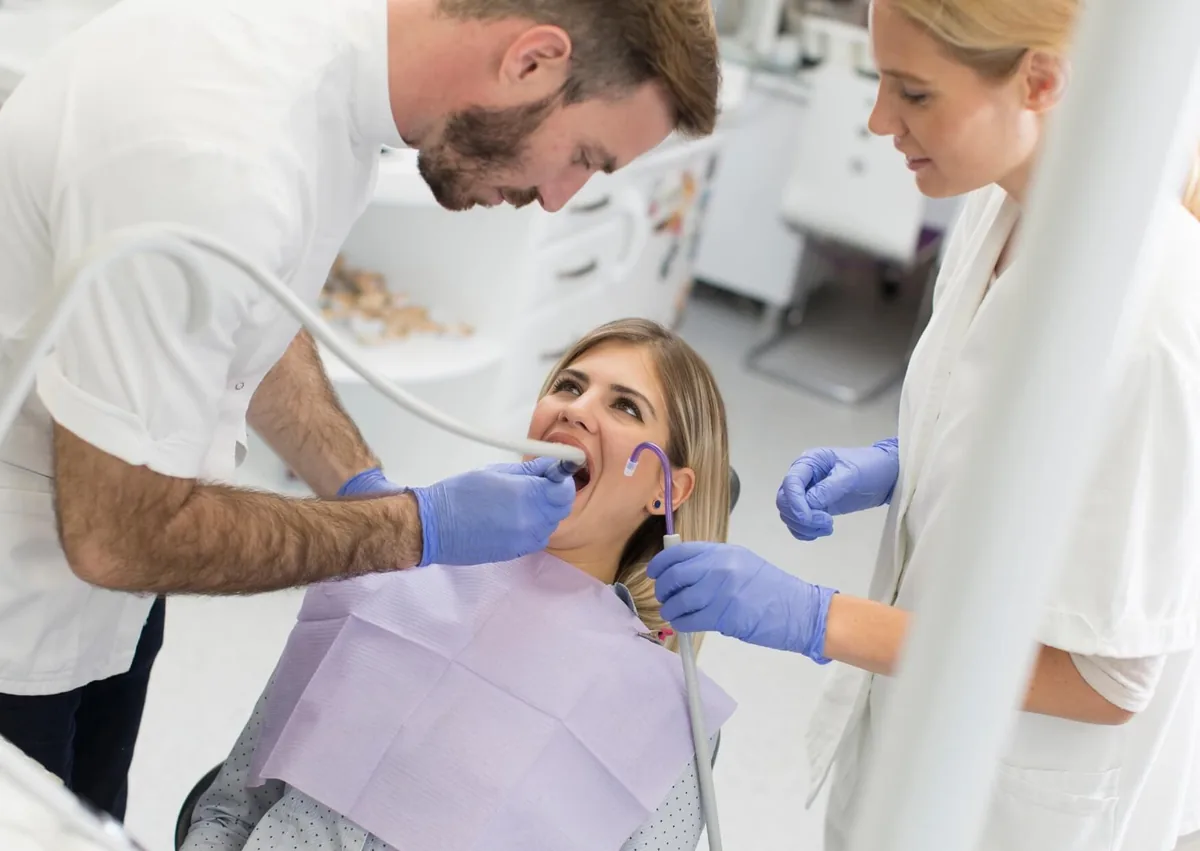
Local anesthetic is usually used to numb the area. The clinician then removes, repositions, or grafts tissue while protecting the roots and preserving enough healthy gum around each tooth.
Treatment time depends on how many teeth are involved and whether bone adjustment or grafting is needed. Gum contouring should never be attempted at home because it can cause bleeding, infection, root damage, and permanent recession.
Mild bleeding, tenderness, and swelling are common after treatment. Many people return to normal activities quickly after limited reshaping, while crown lengthening and grafting usually require a longer recovery.
Follow the dentist's instructions for cleaning the area, eating, and restarting brushing or flossing near the site. Soft foods often feel better at first, and smoking or vaping can slow healing and raise the risk of complications.
The gumline may look swollen or slightly uneven at first. Final results become easier to judge after the tissue heals and matures, which may take several weeks and sometimes longer after bone reshaping or grafting.
Recovery after gum graft surgery can also involve tenderness and careful protection of the treated area while the tissue stabilizes. Good plaque control and regular dental visits help preserve the result, so follow our oral care recommendations.
If the underlying cause is not controlled, the gumline can change again. Tissue may regrow with medication-related enlargement or ongoing inflammation, while recession may continue if brushing trauma, gum disease, or heavy biting forces remain.
Possible complications include pain, bleeding, infection, delayed healing, tooth sensitivity, gum recession, uneven contours, and a cosmetic result that falls short of expectations. Removing too much tissue can expose roots or weaken the gums' protective seal, so careful planning matters.
Gum contouring changes the gumline, not the natural size, color, or alignment of the teeth. Some concerns are better treated with gum disease care, orthodontics, restorative treatment, or cosmetic dentistry when the main issue is tooth shape, color, or alignment.
Insurance coverage varies by reason for treatment. Procedures done only for appearance are often not covered, while medically necessary treatment may qualify for benefits depending on the plan and documentation.
Schedule a dental evaluation if your gumline changes suddenly, your gums stay swollen, they bleed often, roots become exposed, or an area is hard to keep clean. These signs may point to gum disease, medication-related tissue enlargement, decay, or another issue that contouring alone will not fix.
After a procedure, contact the treating office if bleeding does not improve with the recommended pressure, pain or swelling worsens, pus appears, fever develops, or the tissue turns unusually pale or dark. Seek urgent medical care for trouble breathing or swallowing, rapidly spreading facial swelling, or uncontrolled bleeding.
A dentist or periodontist can explain whether gum contouring is appropriate, what alternatives make sense, and how much change is realistic. An individualized exam is especially important if you have active gum disease, significant recession, tobacco use, a healing disorder, or medications that affect the gums or bleeding.
To confirm whether crown lengthening is the right option for your gums and restoration plan, arrange a focused evaluation to review bone levels and cosmetic goals. Dulce Dental focuses on crown lengthening and serves Dallas, nearby West Dallas and Cockrell Hill, TX; call (214) 337-0153 or book online to discuss your case.
Local anesthetic usually prevents pain during treatment. Soreness afterward depends on the technique used and the size of the treated area.
Results can last a long time when the gums are healthy and the cause of the problem has been addressed. However, regrowth, ongoing recession, inflammation, or tooth movement can change the gumline over time.
General dentists with the right training may perform straightforward cases. A periodontist may be recommended for grafting, bone adjustment, significant recession, or more complex gum conditions.
It can help when excess gum tissue covers teeth that are otherwise normal in size and position. If the main cause is lip movement, tooth position, or jaw anatomy, gum reshaping alone may have limited benefit.