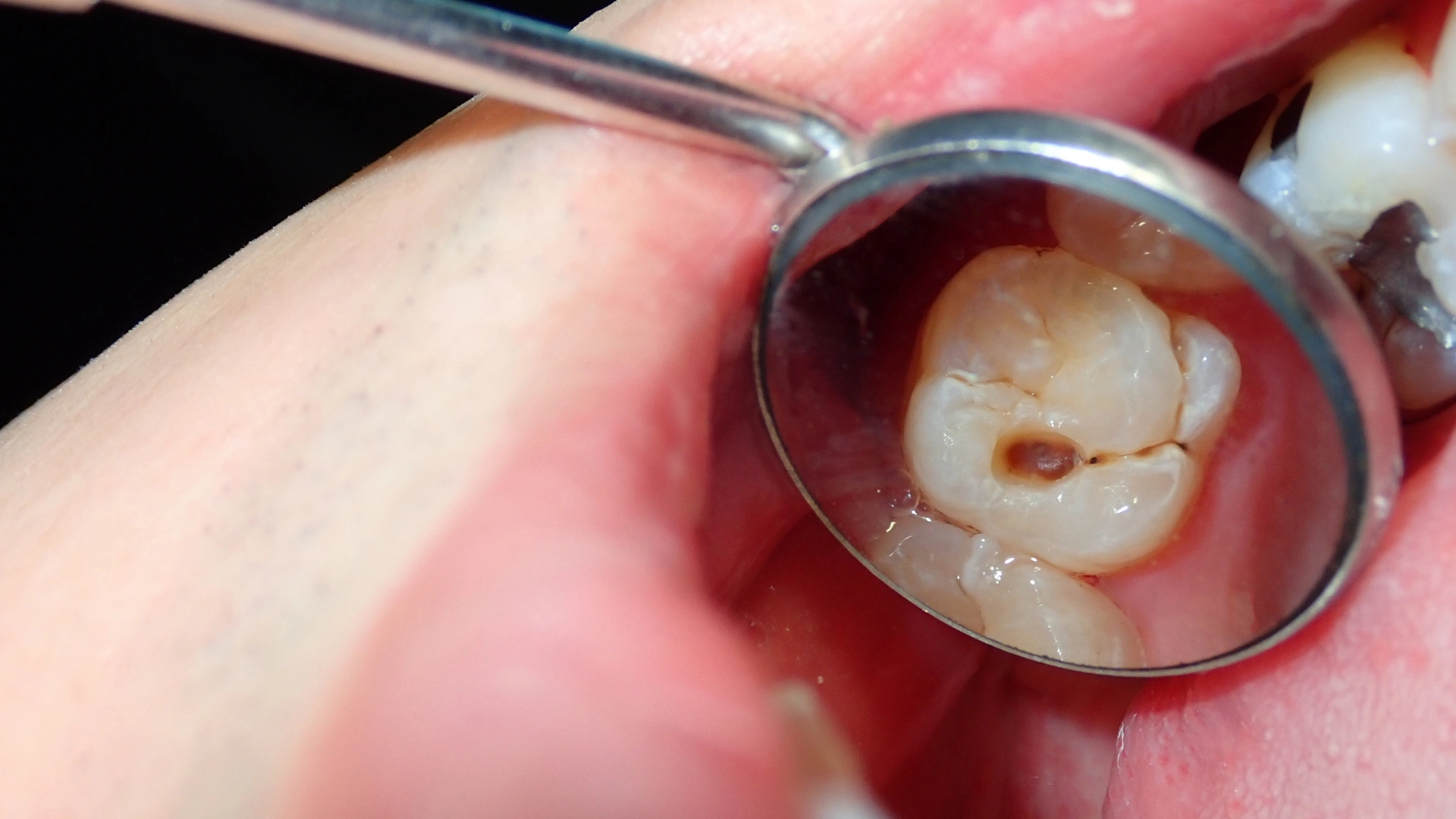
Maintaining healthy teeth is essential for overall well-being, yet dental decay remains one of the most common oral health issues affecting people of all ages. Left untreated, decay can gradually damage tooth structure, leading to discomfort, infection, and long-term dental complications.
Tooth decay in Dallas, TX, is a growing concern for many residents, making early detection and professional treatment critical. By understanding the causes, warning signs, and available treatment options, individuals can take proactive steps to protect their oral health and preserve their smiles.
Tooth decay occurs when harmful bacteria in the mouth release acids that slowly break down the protective enamel layer of the teeth. This process often starts with the buildup of plaque, and without consistent oral hygiene, it can progress into cavities over time.
Over time, untreated decay can penetrate deeper layers of the tooth, affecting the dentin and pulp. Early detection and professional dental care are critical in preventing extensive damage.
Several factors contribute to the development of tooth decay, including:
Dental professionals in Dallas often observe that delayed treatment is a primary reason for advanced tooth decay cases.
Recognizing early warning signs of tooth decay can help prevent serious dental complications. Common symptoms include:
Individuals experiencing any of these symptoms should seek prompt evaluation from a qualified dentist in Dallas.
The appropriate treatment for tooth decay depends on the severity of the condition. At Dulce Dental, comprehensive diagnostic evaluations ensure that each patient receives a tailored treatment plan.
For mild to moderate cavities, dentists remove decayed tissue and restore the tooth with durable filling materials, such as composite resin. This approach helps restore function while preserving as much natural tooth structure as possible.
When decay reaches the tooth’s pulp, root canal therapy is required to eliminate infection and preserve the tooth structure. This procedure can effectively relieve pain and prevent the need for tooth extraction.
Crowns are recommended for teeth that have sustained significant structural damage. They provide strength, protection, and long-term functionality. Crowns also help improve the appearance and durability of the affected tooth.
In severe cases where the tooth cannot be preserved, extraction may be necessary, followed by restorative solutions such as dental implants or bridges. Replacing the extracted tooth helps maintain proper bite alignment and oral function.
Timely treatment not only alleviates discomfort but also safeguards overall oral health.
Preventive dental care plays a vital role in reducing the risk of tooth decay. Recommended practices include:
Consistent preventive measures significantly reduce the likelihood of cavities and other dental issues.
Selecting a trusted dental provider is an important decision, and Dulce Dental is dedicated to delivering high-quality, patient-focused care supported by advanced technology and evidence-based techniques. Patients choose Dulce Dental for its experienced dental professionals, modern diagnostic and treatment equipment, comfortable and welcoming clinical environment, personalized treatment plans, and convenient scheduling options designed to fit busy lifestyles.
Whether addressing early-stage cavities or managing complex dental concerns, Dulce Dental provides comprehensive dental care tailored to each patient’s individual needs, ensuring reliable treatment and long-term oral health.
Routine dental visits are essential for maintaining oral health, even in the absence of symptoms. Immediate consultation with a dentist is recommended if individuals experience pain, swelling, or prolonged sensitivity.
Early intervention offers several benefits, including:
If it has been more than six months since your last dental examination, scheduling an appointment is strongly advised.
Tooth decay requires professional treatment, but it can be effectively managed with timely dental care. Taking early action can help protect your oral health and prevent further complications.
Dulce Dental is located at 3225 Fort Worth Ave #100, Dallas, TX 75211, United States and is open Tuesday to Friday from 10:00 AM to 6:00 PM and Saturday from 10:00 AM to 3:00 PM. Contact Dulce Dental today to schedule a consultation and receive expert, patient-focused dental care for a healthier, more confident smile.
Yes. The bacteria that cause cavities can affect nearby teeth if plaque is not properly controlled, making early treatment important.
Tooth decay affects all ages. Children are vulnerable due to developing teeth, while adults may experience decay from gum recession, old fillings, or dry mouth.
Yes. Stress can contribute to poor oral habits and reduced saliva flow, which may increase the likelihood of dental decay.
Cavities can form in months or years, depending on diet, hygiene, and individual risk factors. Regular checkups help detect decay early.
Yes. X-rays help dentists identify hidden decay between teeth or beneath restorations that may not be visible during a standard exam.