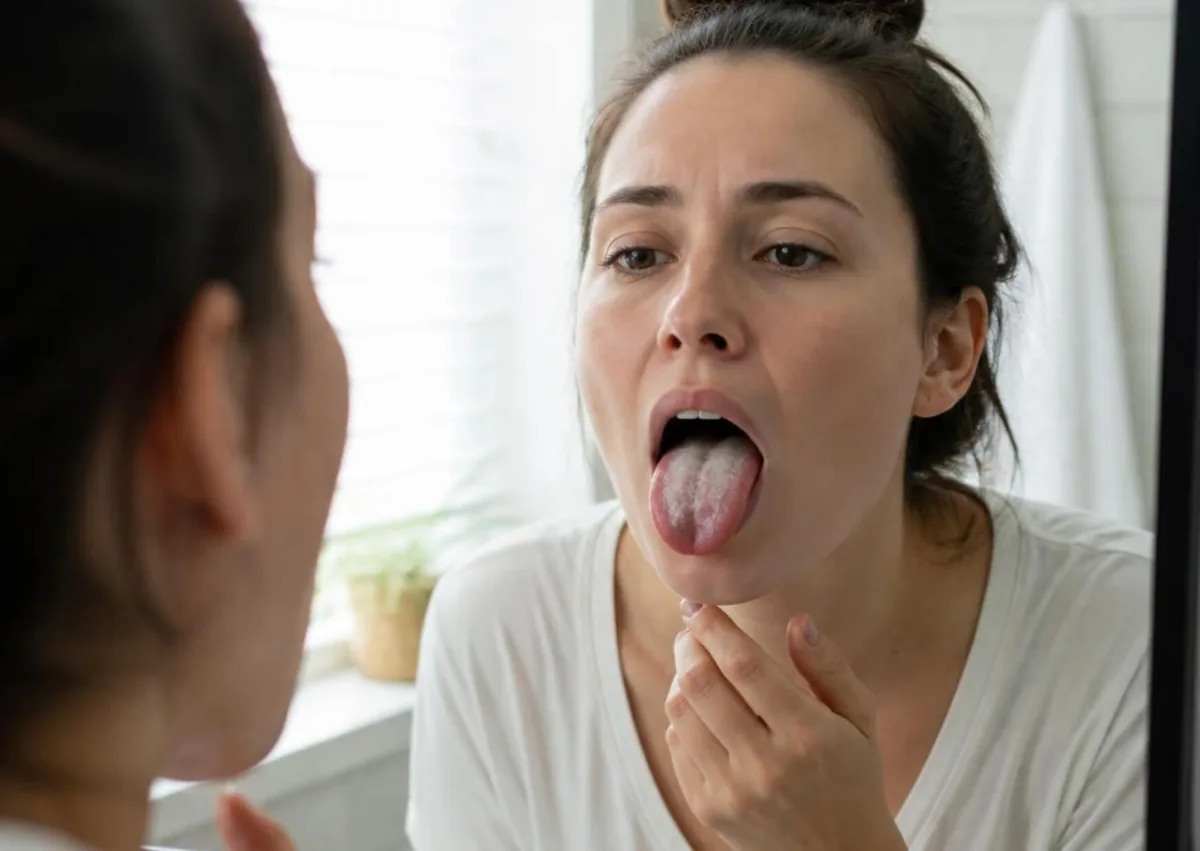
Oral thrush is a common yeast infection in the mouth that can cause white patches, soreness, and a dry or cotton-like feeling. It is usually treatable, but symptoms should be evaluated if they are painful, keep coming back, last more than several days, or make swallowing difficult.
If you're dealing with persistent or painful oral thrush, a dental exam and cleaning can confirm the cause and clarify whether local treatment, denture care, or referral is needed. Dulce Dental in Dallas, TX provides focused exams that streamline diagnosis and coordinate practical care to ease symptoms and reduce recurrence.
Oral thrush, also called oral candidiasis, happens when Candida yeast grows too much in the mouth. Candida can be present normally, but changes in the mouth or immune system can let it overgrow.
Common signs include creamy white or yellowish patches on the tongue, inner cheeks, gums, roof of the mouth, or throat. These patches may wipe away gently and leave red, tender tissue that can bleed a little.
Other symptoms can include burning, soreness, altered taste, cracks at the corners of the mouth, or a dry, cotton-like feeling. Some people have red, irritated tissue without obvious white patches, especially under a removable denture.
White patches are not always oral thrush. Milk residue, dry mouth, irritation, geographic tongue, and other oral conditions can look similar, so an exam may be needed to confirm the cause.
Oral thrush is more likely when the normal balance of microorganisms in the mouth changes or the body's defenses are lowered. Common risk factors include:
Rinsing the mouth with water after using a steroid inhaler may help lower the risk. Do not stop an inhaler, antibiotic, or other prescribed medicine without speaking with the prescribing clinician.
Repeated oral thrush may point to an ongoing cause such as dry mouth, an ill-fitting denture, uncontrolled diabetes, or immune suppression. If the reason is unclear, a dentist or medical clinician may recommend further evaluation.
A dentist or medical clinician can often diagnose oral thrush by examining the mouth and reviewing symptoms, medicines, and health history. A dental exam and cleaning is often a good first step when symptoms are persistent or painful.
If the appearance is unusual, treatment does not help, or the infection may involve the throat, testing or referral may be needed. This helps rule out other causes of white, red, or sore areas in the mouth.
Treatment usually involves prescription antifungal medicine. It may be prescribed as a liquid, lozenge, tablet, or oral gel depending on age, health history, severity, swallowing ability, and possible drug interactions.
|
Treatment Approach |
When It May Be Used |
Practical Expectation |
|---|---|---|
|
Topical antifungal |
Mild or localized infection |
Medicine stays in contact with mouth tissues as directed |
|
Systemic antifungal |
Extensive, recurrent, or higher-risk infection |
Requires review of health conditions and possible drug interactions |
|
Contributing-factor care |
Denture irritation, dry mouth, inhaler use, or another trigger |
Helps treatment work better and may reduce recurrence |
Symptoms often start improving within a few days of proper treatment, though the full course may take longer. Finish the medicine exactly as directed, even if the mouth feels better sooner.
Brush gently twice a day with fluoride toothpaste and clean between the teeth daily. For more guidance, see our oral care recommendations.
A soft-bristled toothbrush may feel more comfortable if tissues are sore. Harsh mouthwashes, tobacco, alcohol, and very spicy or acidic foods may make irritation worse.
Clean removable dentures every day and remove them at night unless a dentist tells you otherwise. Because denture materials and antifungal products vary, ask a dentist how to disinfect the appliance safely.
Stay hydrated and get help for ongoing dry mouth if needed. People with diabetes may lower recurrence risk by following their usual blood sugar management plan, and inhaler users should make sure their technique and mouth-rinsing routine are correct.
Oral thrush is not usually considered highly contagious in healthy adults. Still, avoid sharing toothbrushes and clean oral or feeding appliances as recommended.
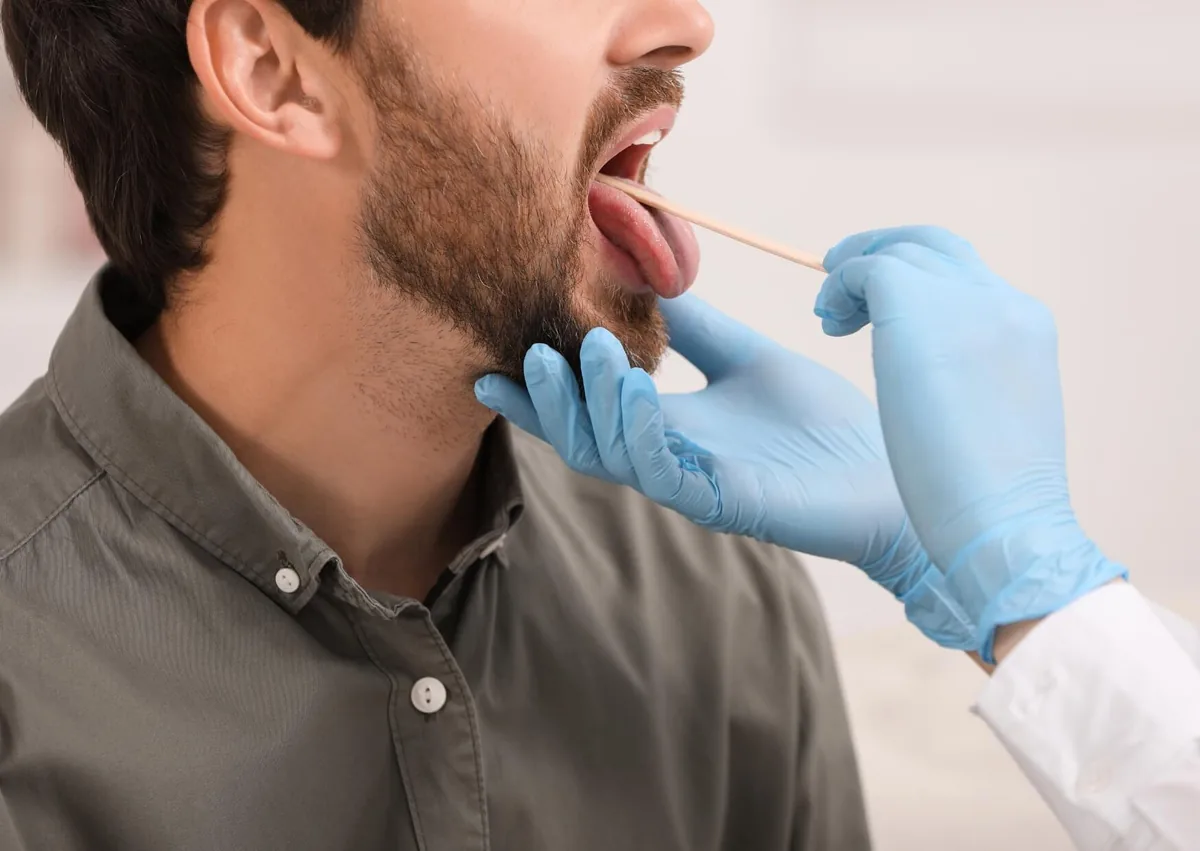
Arrange a dental exam and cleaning if white patches, burning, soreness, or altered taste last more than several days, keep returning, or make eating uncomfortable. Prompt evaluation is also important for infants, families seeking pediatric dentistry, frail older adults, people with diabetes, and anyone receiving cancer treatment or taking immune-suppressing medicine.
Seek urgent medical care for difficulty breathing, inability to swallow, dehydration, or rapidly increasing swelling. Painful swallowing, fever, chest discomfort, or a feeling that food is sticking can mean the problem goes beyond the mouth.
A white, red, or ulcerated area that cannot be gently wiped away, has no clear cause, or lasts about two weeks should be examined. An oral cancer screening may be recommended if a lesion does not resolve so other tissue changes can be ruled out.
A timely dental exam and cleaning is the best next step when thrush persists, helps confirm diagnosis, and lets clinicians address denture fit or refer for further care. Contact Dulce Dental for dental exams and cleanings in Dallas, TX and nearby West Dallas or Cockrell Hill; call (214) 337-0153 to schedule an appointment.
Oral thrush does not usually spread easily between healthy adults because Candida is already common in the mouth and body. Risk depends more on a person's health and local mouth conditions than on casual contact.
A very mild case may improve if a short-term trigger goes away. Persistent symptoms often need prescription antifungal treatment, especially if discomfort continues or the person has a higher-risk medical condition.
Do not forcefully scrape the patches. This can expose tender tissue, cause bleeding, and does not treat the yeast overgrowth.
Recurrent oral thrush may be linked to dry mouth, dentures, medicine use, diabetes, smoking, or reduced immune function. A clinician can confirm the diagnosis and look for the cause that needs ongoing management.