Maintaining proper oral hygiene is essential for protecting both dental health and overall well-being. Following professional oral care recommendations can significantly reduce the risk of cavities, gum disease, and other common dental conditions. While brushing is important, comprehensive oral care also requires consistent daily habits and regular dental visits.
At Dulce Dental, we aim to help patients understand and follow proven practices that support long-term oral health. The following evidence-based oral care recommendations highlight key habits every patient should incorporate into their daily routine.
Oral health is closely connected to overall health. The mouth contains naturally occurring bacteria that are generally harmless when controlled through proper oral hygiene. However, inadequate oral care can allow harmful bacteria to accumulate, leading to dental infections such as tooth decay and periodontal (gum) disease.
According to the Cleveland Clinic, maintaining good oral hygiene helps prevent dental problems such as cavities, gum disease, and halitosis while also supporting overall health.
Research has also indicated that poor oral health may contribute to or worsen systemic conditions, including:
These findings highlight the importance of following consistent oral care recommendations and maintaining preventive dental care.

Brushing your teeth regularly is the foundation of effective oral hygiene. Dental professionals recommend brushing at least twice per day using fluoride toothpaste.
Fluoride helps strengthen tooth enamel and protects against tooth decay. Proper brushing technique is equally important to ensure plaque is effectively removed from all surfaces of the teeth.
For optimal results:
Consistent brushing helps remove plaque, a sticky bacterial film that can cause cavities and gum disease if not properly managed.
While brushing cleans the visible surfaces of teeth, it cannot effectively remove plaque and food debris from between teeth. Daily flossing is necessary to clean these areas and prevent plaque accumulation.
Flossing helps:
Dental professionals generally recommend flossing once per day. Patients who find traditional floss difficult to use may benefit from alternatives such as floss picks, interdental brushes, or water flossing devices.
Maintaining consistent interdental cleaning is essential for preventing periodontal disease and maintaining healthy gums.
Mouthwash can be an effective supplement to brushing and flossing. While it should not replace mechanical cleaning methods, certain mouth rinses help reduce bacterial growth and strengthen tooth enamel.
Depending on a patient’s oral health needs, dentists may recommend mouthwash to:
Patients should consult their dental provider to determine whether a therapeutic mouthwash is appropriate for their oral care routine.
Diet plays a significant role in oral health. Bacteria in the mouth feed on sugars and carbohydrates, producing acids that weaken tooth enamel and contribute to cavity formation.
To minimize this risk, dental professionals recommend:
Reducing sugar exposure is one of the most effective preventive strategies for protecting tooth enamel and preventing decay.
A balanced diet supports both oral and systemic health. Certain nutrients contribute directly to the strength and resilience of teeth and gums.
Key nutrients include:
Adequate hydration also promotes saliva production, which plays an important role in protecting oral tissues and preventing dry mouth.
Over time, toothbrush bristles become worn and less effective at removing plaque. Dental professionals recommend replacing toothbrushes approximately every three to four months.
Patients should also consider replacing their toothbrush:
Using a well-maintained toothbrush ensures effective plaque removal and helps maintain optimal oral hygiene.
Even with excellent home care, routine dental visits are essential for maintaining oral health. Professional cleanings remove tartar (hardened plaque) that cannot be eliminated through brushing or flossing alone.
During a routine dental examination, your dentist will:
Most patients benefit from dental checkups every six months, although individuals with specific oral health concerns may require more frequent visits.
Early detection and preventive treatment help minimize the need for more complex dental procedures in the future.
Patients should monitor for symptoms that may indicate developing oral health issues. Early warning signs include:
If any of these symptoms occur, it is advisable to consult a dental professional promptly. Early intervention can prevent more serious dental complications.
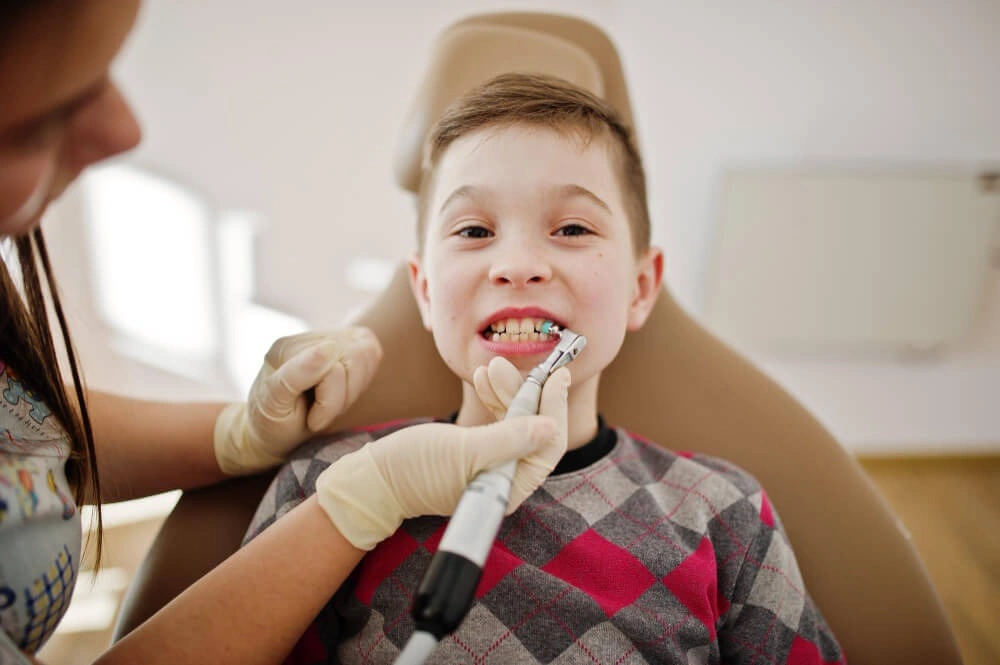
Following a structured routine helps patients maintain consistent oral hygiene. Regular morning and evening care can significantly reduce plaque buildup and support long-term dental health.
A proper morning routine helps remove plaque that builds up overnight. Patients should brush for at least two minutes with fluoride toothpaste, then floss to clean between teeth where a toothbrush cannot reach. If recommended by a dentist, mouthwash can also be used to help reduce bacteria and freshen breath.
An evening oral care routine helps remove plaque and food particles accumulated throughout the day. Patients should brush before bed using fluoride toothpaste and clean between teeth with floss or interdental brushes. Avoid eating after completing your routine to reduce bacterial growth overnight.
Nighttime brushing is particularly important because saliva production decreases during sleep, allowing bacteria to multiply more easily if oral hygiene is not maintained.
Following professional oral care recommendations helps maintain strong teeth, healthy gums, and long-term oral health. Consistent brushing, daily flossing, a balanced diet, and regular dental visits are key to effective preventive care.
At Dulce Dental, our team provides personalized care and patient education to help you maintain a healthy smile. Routine dental exams allow us to detect potential issues early and recommend the best treatment for your needs.
Our clinic is located at 3225 Fort Worth Ave #100, Dallas, TX 75211, United States. We are open Tuesday–Friday from 10 AM to 6 PM and Saturday from 10 AM to 3 PM, and closed on Sundays and Mondays.
Contact Dulce Dental today to schedule your dental checkup and take the next step toward better oral health.
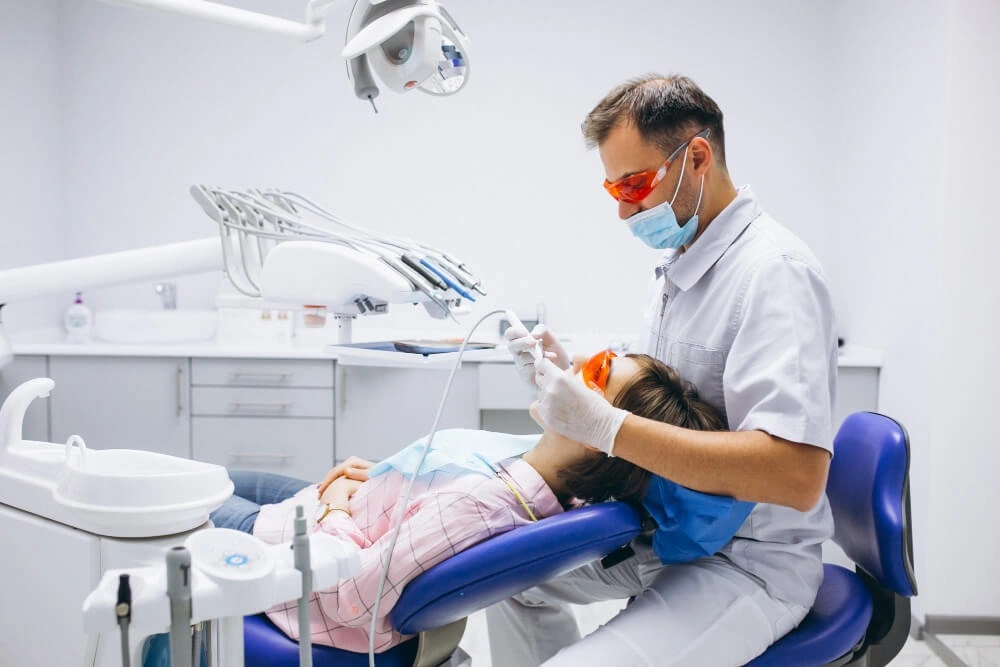
Maintaining healthy teeth and gums requires ongoing attention and informed care. Small improvements in daily habits can make a meaningful difference in protecting your smile and reducing the likelihood of future dental concerns. For personalized guidance and professional support, partnering with a trusted dental provider ensures your oral health remains well-managed over time.
Professional dental care also provides valuable insight into maintaining optimal oral hygiene as your needs change. With the right support and consistent care, patients can maintain a confident, healthy smile for years to come.
Stress can negatively impact oral health by causing teeth grinding or clenching, which may lead to enamel wear and jaw discomfort. It can also weaken the immune response, increasing the risk of gum inflammation and infection.
Yes, dehydration can reduce saliva production, which is important for rinsing away food particles and neutralizing acids. A dry mouth can increase the risk of cavities, bad breath, and oral infections.
Electric toothbrushes can make brushing easier by providing consistent movements and built-in timers. However, both electric and manual toothbrushes can effectively clean teeth when used properly.
As people age, they may experience issues such as gum recession, enamel wear, and increased tooth sensitivity. Certain medications can also cause dry mouth, which may affect oral health.
Good oral hygiene during childhood helps protect developing teeth and prevents early dental problems. Establishing healthy habits early also supports better oral health throughout adulthood.