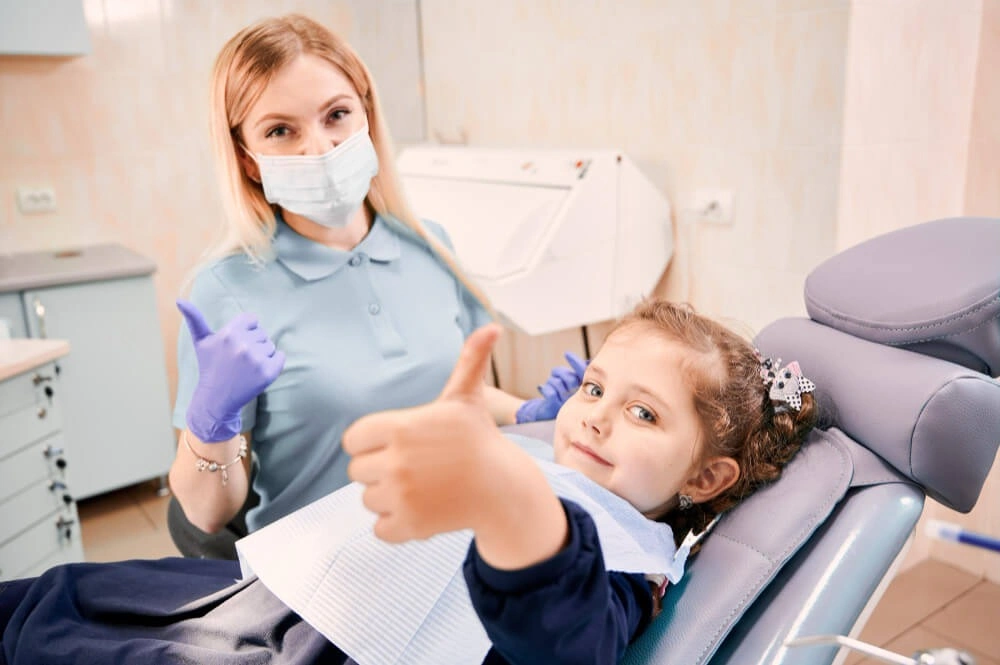
For many families, a child’s first dental visit can feel uncertain. Parents may wonder how their child will respond to the dental environment or whether the experience will be comfortable. Kid-friendly dentistry addresses these concerns by creating a supportive, welcoming setting designed specifically for children.
At Dulce Dental, our goal is to provide dental care that helps children feel safe and comfortable while establishing positive oral health habits early in life. When dental visits begin early and are structured around a child’s needs, children are more likely to develop confidence in dental care and maintain healthy smiles as they grow.
Understanding the importance of kid-friendly dentistry can help parents make informed decisions about their child’s oral health and ensure that dental visits are positive and productive.
Kid-friendly dentistry refers to dental care tailored to the unique needs of infants, children, and adolescents. It combines clinical expertise with communication and treatment approaches designed to make young patients feel comfortable and supported.
Children’s dental care differs from adult dentistry because their teeth, jaws, and oral structures are still developing. Dentists who provide kid-focused dental care are trained to monitor growth patterns, prevent dental disease, and guide children and parents in maintaining effective oral hygiene practices.
Kid-friendly dentistry typically includes:
The American Academy of Pediatric Dentistry (AAPD) advises that children should see a dentist by age one or within six months after their first tooth appears. Early dental visits help establish preventive care and allow dentists to monitor healthy oral development.
Many parents are surprised to learn that dental care should begin during infancy. Early dental visits play a crucial role in preventing oral health problems and establishing proper dental habits.
A child’s first dental appointment should occur:
During this initial visit, the dentist evaluates the child’s teeth, gums, and jaw development. The appointment also provides an opportunity to discuss important preventive practices with parents, including proper brushing techniques, fluoride use, and dietary habits that influence oral health.
Early dental visits also allow children to become familiar with the dental setting, which can significantly reduce anxiety during future appointments.
Tooth decay is one of the most common chronic conditions affecting children. Regular dental examinations allow dentists to identify early signs of cavities and provide preventive treatments before more serious issues develop.
Preventive care for children may include:
By focusing on prevention, dentists can help reduce the likelihood of more extensive dental procedures in the future.
Positive early experiences with dental care are essential for minimizing dental anxiety later in life. Kid-friendly dentistry emphasizes communication, patience, and gentle treatment techniques to ensure that children feel comfortable during their appointments.
Dentists may use several strategies to help children feel at ease, including:
These approaches help create a positive association with dental care and encourage cooperation during visits.
One of the most valuable aspects of kid-friendly dentistry is helping children develop healthy oral hygiene routines. Dental professionals educate children and parents on effective daily practices that protect teeth and gums.
During dental visits, dentists may demonstrate:
When children understand how to care for their teeth and why it matters, they are more likely to maintain these habits as they grow older.

A child’s dental appointment is structured to be both educational and comfortable. While each visit may vary depending on the child’s age and needs, several key steps are typically included.
The dentist evaluates the child’s teeth, gums, and overall oral development. This examination helps identify potential concerns such as cavities, alignment issues, or developmental abnormalities.
A dental hygienist may perform a gentle cleaning to remove plaque and tartar buildup. This process also helps children understand the importance of maintaining clean teeth.
Depending on the child’s risk for cavities, the dentist may recommend preventive measures such as fluoride treatments or dental sealants. These treatments are designed to strengthen enamel and protect vulnerable areas of the teeth.
Together, these steps help ensure that children receive thorough preventive care while building familiarity and confidence during their dental visits.
Dentists also provide valuable guidance to parents regarding their child’s oral health. This may include recommendations related to:
This collaborative approach helps ensure that children receive consistent oral care both at home and during dental visits.
Parents can play an important role in helping children feel comfortable before their dental appointment. Simple preparation strategies can make the experience more positive and reduce anxiety.
Consider the following recommendations:
Avoid language that may cause concern or fear. Instead, explain that the dentist helps keep teeth healthy and strong. Using reassuring language can help children develop a positive perception of dental care.
Reading children’s books or watching educational videos about dental visits can help familiarize children with the process. Early exposure can reduce uncertainty and help children understand what to expect.
Children are often more cooperative when they are well rested. Morning appointments can help ensure your child is calm, attentive, and comfortable during the visit.
A favorite toy or blanket can provide reassurance during the appointment. Familiar items can help children feel secure in an unfamiliar environment.
Children often respond to their parents’ emotions, so remaining calm and supportive can help them feel more relaxed. A confident and reassuring approach from parents can significantly ease a child’s anxiety.
By preparing children in advance and maintaining a supportive approach, parents can help make dental visits a positive and comfortable experience.
Although routine dental checkups are recommended every six months, certain symptoms may indicate that a child should see a dentist sooner.
Parents should schedule a dental visit if their child experiences:
Early evaluation allows dentists to address potential problems before they become more complex.
At Dulce Dental, we are committed to providing dental care that supports both the comfort and long-term oral health of our young patients. Our team understands that children benefit from a gentle, supportive approach that prioritizes education and prevention.
Our kid-friendly dentistry services focus on:
By building trust and positive experiences, we help children develop confidence in dental care that can last throughout adulthood.
Establishing healthy dental habits early is essential for supporting your child’s long-term oral health. Kid-friendly dentistry ensures children receive the care they need in a comfortable and supportive environment.
Dulce Dental is conveniently located at 3225 Fort Worth Ave #100, Dallas, TX 75211, serving families throughout the local community. The clinic is open Tuesday through Friday from 10:00 AM to 6:00 PM and Saturday from 10:00 AM to 3:00 PM, and closed on Sundays and Mondays.
Contact Dulce Dental today to schedule your child’s visit and help them take the first step toward a lifetime of healthy smiles.
Helping children develop a positive relationship with oral care can make a lasting difference in their overall well-being. With the right guidance and a supportive dental environment, families can feel confident about protecting their child’s growing smile. Dulce Dental is dedicated to supporting parents and children every step of the way on their journey to lifelong oral health.
A routine dental visit for children usually takes about 30 to 45 minutes, depending on the services provided. The dental team keeps visits efficient to help children stay comfortable and engaged.
Yes, dental X-rays for children are safe and use very low levels of radiation. Modern digital technology and protective equipment help minimize exposure.
Parents can help prevent cavities by encouraging daily brushing, limiting sugary foods and drinks, and offering tooth-friendly snacks such as fruits, vegetables, and dairy products.
If a permanent tooth is knocked out, seek dental care immediately. Place the tooth in milk or a preservation solution and bring it to the dentist as soon as possible.
Dentists may adjust treatment methods, communication styles, and appointment times to ensure safe and comfortable care for children with special healthcare needs.