The best way to prevent cavities is to brush twice a day with fluoride toothpaste, clean between your teeth daily, limit frequent sugar exposure, and keep up with preventive dentistry. These habits reduce plaque acids and help enamel repair early mineral loss before a permanent hole forms.
If you're trying to avoid new cavities or keep early enamel changes from progressing, preventive dentistry can tailor routine care and fluoride strategies to your needs. Dulce Dental in Dallas, TX helps patients protect teeth with personalized plans and consistent follow-up.
A cavity, also called tooth decay or dental caries, starts when plaque bacteria feed on sugars and starches from food and drinks. Those bacteria produce acids that pull minerals out of enamel, the hard outer layer of the tooth.
In the earliest stage, saliva and fluoride can help replace some of those lost minerals. If acid attacks happen too often, the enamel weakens and a cavity can form.
Frequent snacking and sipping matter because each exposure can trigger another acid attack. Soda, sports drinks, sweetened coffee, juice, candy, crackers, and other refined carbohydrates can all raise risk when they are consumed often.
Brush for two minutes in the morning and before bed with a soft-bristled toothbrush and fluoride toothpaste made for cavity prevention. Clean the front, back, and chewing surfaces, especially near the gumline and around fillings or crowns. For help choosing a product, see our guide on how to choose toothpaste.
After brushing, spit out the extra toothpaste instead of rinsing thoroughly with water. This leaves more fluoride on the teeth, though young children need adult supervision to avoid swallowing toothpaste.
Clean between your teeth once a day with floss, an interdental brush, or another dentist-recommended tool. A toothbrush cannot reliably reach the tight spaces where cavities often begin.
Replace a worn toothbrush or brush head every three to four months, or sooner if the bristles fray. An electric toothbrush can help some people brush more consistently, but technique and routine matter more than the type of brush. For more daily-care tips, read our oral care recommendations.
Try to have sugary foods and drinks with meals instead of grazing on them throughout the day. Saliva flow increases during meals, which helps dilute acids and clear food from the mouth.
Choose water between meals, especially fluoridated tap water when available. Milk and unsweetened drinks usually expose teeth to less added sugar than soda, sweet tea, energy drinks, or sweetened coffee.
Sticky foods and slowly sipped drinks keep teeth exposed to carbohydrates or acids for longer. After an acidic drink or vomiting, rinse with water and wait 30 minutes before brushing because enamel may be temporarily softened.
Sugar-free gum with xylitol may help by increasing saliva after meals when brushing is not possible. It can support your routine, but it does not replace fluoride toothpaste or daily cleaning between the teeth.
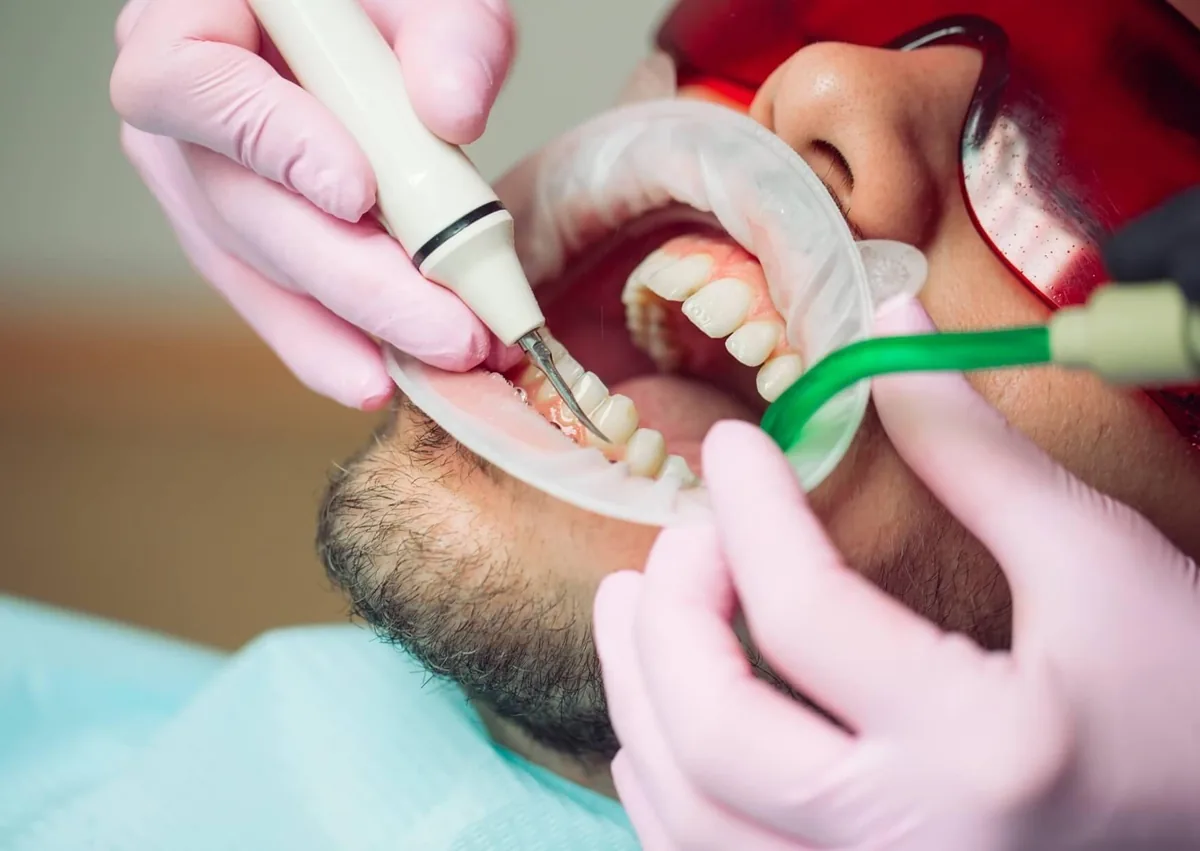
Regular dental visits help catch decay early and identify your personal risk factors. The right schedule for dental exams and cleanings depends on your oral health, cavity history, dry mouth, braces, medical conditions, and other risks.
A dentist may recommend professional fluoride treatments or a prescription-strength fluoride toothpaste if your cavity risk is higher. Dental sealants can protect the deep grooves of back teeth, especially in children and teens, and some adults may benefit as well; evidence on sealants and fluoride varnish is reviewed by Cochrane.
|
Preventive Measure |
Main Purpose |
Who May Benefit Most |
|---|---|---|
|
Fluoride toothpaste |
Strengthens enamel and supports early repair |
Most children and adults |
|
Fluoride varnish |
Provides concentrated topical fluoride |
People with increased cavity risk |
|
Dental sealants |
Covers decay-prone grooves in back teeth |
Children, teens, and selected adults |
|
Individualized recall visits |
Monitors risk and detects early changes |
Anyone, with timing based on dental needs |
Dry mouth deserves special attention because saliva helps protect teeth. Medications, dehydration, tobacco use, radiation treatment, and some health conditions can reduce saliva, so ongoing dryness should be discussed with a dentist or medical professional.
Early decay often causes no symptoms. It may first appear as a chalky white spot, which can be a sign of mineral loss.
As decay progresses, you may notice a brown or dark spot, a visible hole, food trapping, or sensitivity to sweets, cold, or heat. Pain when biting or a toothache can mean deeper decay, a crack, or another problem.
Once a tooth has a permanent hole in the enamel, brushing cannot close it. Treatment is usually needed to stop the damage from getting worse.
Schedule a dental evaluation if you have new or ongoing sensitivity, visible tooth changes, pain when chewing, food repeatedly catching in one area, a loose filling, or persistent bad breath or a bad taste. Early care may allow simpler treatment and help preserve more tooth structure.
Seek urgent dental care for severe or worsening pain, facial or gum swelling, pus, fever with dental symptoms, or trouble opening the mouth. Trouble breathing or swallowing, rapidly spreading swelling, or swelling near the eye requires emergency medical attention.
Even without symptoms, routine exams still matter because cavities can grow silently, including between teeth or under existing dental work. A dentist can assess your risk and recommend a prevention plan based on your age, health history, fluoride exposure, and past decay.
If you want to stop small enamel changes from becoming cavities, arrange a preventive visit for fluoride, cleaning, and individualized advice. Dulce Dental focuses on preventive dentistry in Dallas and serves nearby West Dallas and Cockrell Hill; call (214) 337-0153 or book online to set up a visit.
Very early mineral loss can sometimes be stopped or reversed with fluoride, better plaque removal, and fewer sugar exposures. A cavity that has formed a physical hole usually cannot grow back and typically needs professional treatment.
Fluoride mouthwash may add protection for some people, but it does not replace brushing and cleaning between the teeth. Ask a dentist whether it makes sense for you, especially for a child or anyone at risk of swallowing it.
Major U.S. dental guidance supports fluoride toothpaste for children starting with the first tooth. Caregivers should use a smear about the size of a grain of rice for children under age 3 and a pea-sized amount for ages 3 to 6 while supervising brushing.
Brushing may miss areas between the teeth or along the gumline, and frequent sugar exposure can overwhelm enamel repair. Dry mouth, deep grooves, braces, inconsistent fluoride use, and older dental work can also raise risk, so repeated decay deserves a personalized dental evaluation.