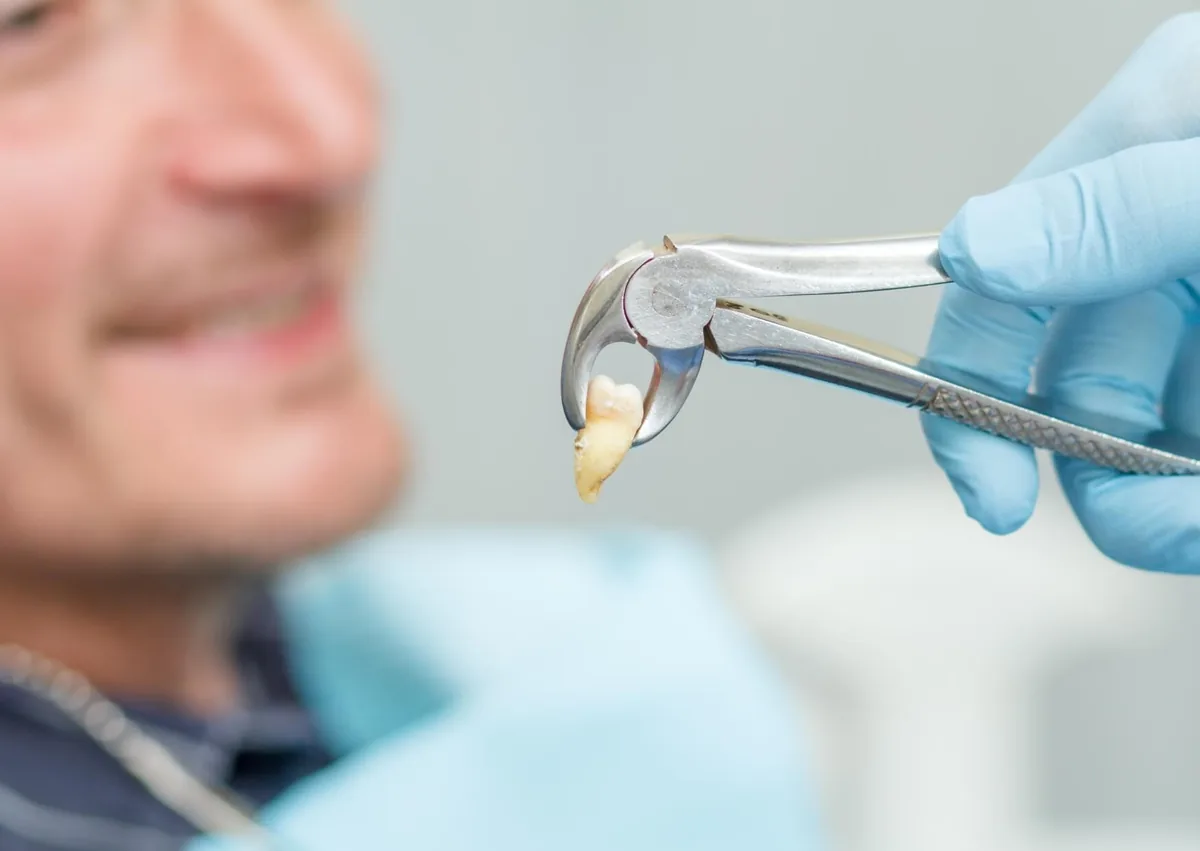
Preparing for a tooth extraction can feel unsettling, especially if you are unsure about eating, medications, or getting home afterward. To prepare, confirm your anesthesia plan, review your health history and medicines with the dental team, follow their eating and drinking instructions, and arrange transportation and recovery help as needed.
If you are preparing for a tooth extraction, understanding the procedure can make the next steps feel more manageable. Dulce Dental in Dallas, TX, can help you understand your treatment and prepare for recovery.
Key Takeaway: Your preparation depends on the extraction, the anesthesia you will receive, and your health needs. Ask your dental team for written instructions on food, medicines, transportation, and aftercare so you know what to do before appointment day.
Table of Contents
A dentist may recommend extraction for extensive decay, a seriously cracked tooth, advanced gum disease, or an impacted tooth that cannot erupt normally. Removal may also be part of an orthodontic treatment plan.
Ask why extraction is recommended and whether a tooth-saving option, such as root canal treatment and a crown, is reasonable. Not every tooth can be saved, but understanding the alternatives helps you weigh cost, additional visits, and long-term care.
A simple extraction removes a tooth that is accessible above the gumline. A surgical extraction may require an incision, removal of some surrounding bone, or dividing the tooth into sections. Depending on the procedure and your health needs, your dentist may refer you to an oral surgeon.
Useful questions include:
Give the dental team an updated list of prescription medicines, over-the-counter products, vitamins, and supplements. Include allergies, previous anesthesia problems, pregnancy or possible pregnancy, and conditions such as diabetes, sleep apnea, bleeding disorders, or heart disease.
Specifically mention blood thinners and medicines used for osteoporosis or cancer that can affect jawbone healing, such as bisphosphonates or denosumab. These details may change treatment planning, but they do not automatically mean you cannot have an extraction.
Watch Out: Do not stop blood thinners or change diabetes medicines on your own. Ask the dental team to clarify two things: which medicines to take on procedure day and whether your instructions need to be coordinated with your prescribing clinician.
If another office has recent dental X-rays or relevant records, ask whether those should be sent ahead. Tell the team if you develop a new illness, worsening swelling, or a significant change in your health before the appointment.
Local anesthesia numbs the treatment area while you remain awake. Sedation can reduce anxiety or awareness, while general anesthesia makes you unconscious. Sedation usually does not replace the need for local numbing.
Your eating, drinking, and transportation instructions depend on the anesthesia plan. Follow the office’s written directions rather than assuming every extraction requires fasting.
|
Planned Anesthesia |
Food and Drink Preparation |
Transportation Preparation |
|---|---|---|
|
Local anesthesia only |
Fasting is often unnecessary; confirm whether to eat normally or have a light meal |
Ask whether you may drive yourself based on the procedure and any medicines given |
|
Minimal sedation, such as nitrous oxide alone |
Ask about meal restrictions, which can vary |
Confirm the office’s discharge and driving requirements |
|
Oral or IV sedation, or general anesthesia |
Follow the team’s exact fasting instructions, including rules for liquids |
Arrange a responsible adult driver and follow instructions for supervision afterward |
Ask exactly when to stop food and liquids and how to take any approved morning medicines. If fasting instructions are unclear, call before the procedure. If you eat or drink outside those instructions, tell the team, because treatment may need to be delayed for safety.
Tell the team what worries you, whether it is needles, pain, gagging, or a previous dental experience. You can ask about a stop signal, short breaks when safe, and explanations before each step.
Ask whether sedation options may help, keeping in mind that sedation can add cost, preparation requirements, and transportation needs. Do not take extra sedatives or use alcohol or cannabis to manage appointment anxiety on your own. Tell the team about your use of these substances and follow its instructions about avoiding them before and after treatment.
If you will receive sedation that impairs alertness, arrange a responsible adult to take you home and provide any required supervision. A rideshare or taxi alone may not meet the office’s discharge policy, so confirm this before booking transportation.
Ask how the procedure and any sedating medicines may affect driving, work, caregiving, and physical activity. Recovery needs vary with the number of teeth removed, surgical complexity, and your health. Avoid scheduling demanding commitments immediately afterward, and ask whether you should arrange help with children or other responsibilities.
Request a written estimate that separates the examination, imaging, extraction, anesthesia, and any planned follow-up or tooth replacement. If you have insurance, confirm network status, referral or authorization requirements, benefit limits, and your estimated share with the office and insurer. An estimate is not a guarantee of payment.
Pro Tip: Complete three practical tasks before appointment day: confirm your ride if needed, stock soft foods, and save the office’s daytime and after-hours contact information.
During removal, you may feel pressure or movement even when the area is numb. Tell the dentist if you feel sharp pain so they can pause and reassess your comfort.
Before leaving, make sure you understand the written aftercare instructions and pain-control plan. Ask which medicines are safe for you, particularly if you have kidney or liver disease, stomach ulcers, medication allergies, or take blood thinners.
A blood clot forms in the socket and supports healing. Protecting that clot helps reduce the risk of dry socket, a painful complication that can occur when the clot does not form properly or is lost before the socket has healed sufficiently.
Your aftercare instructions will usually address:
Some soreness, swelling, and blood-tinged saliva can occur after extraction. Ask what pattern is expected for your procedure, how long to follow each restriction, and when you may return to usual activities. Recovery varies, so avoid relying on a fixed timeline.
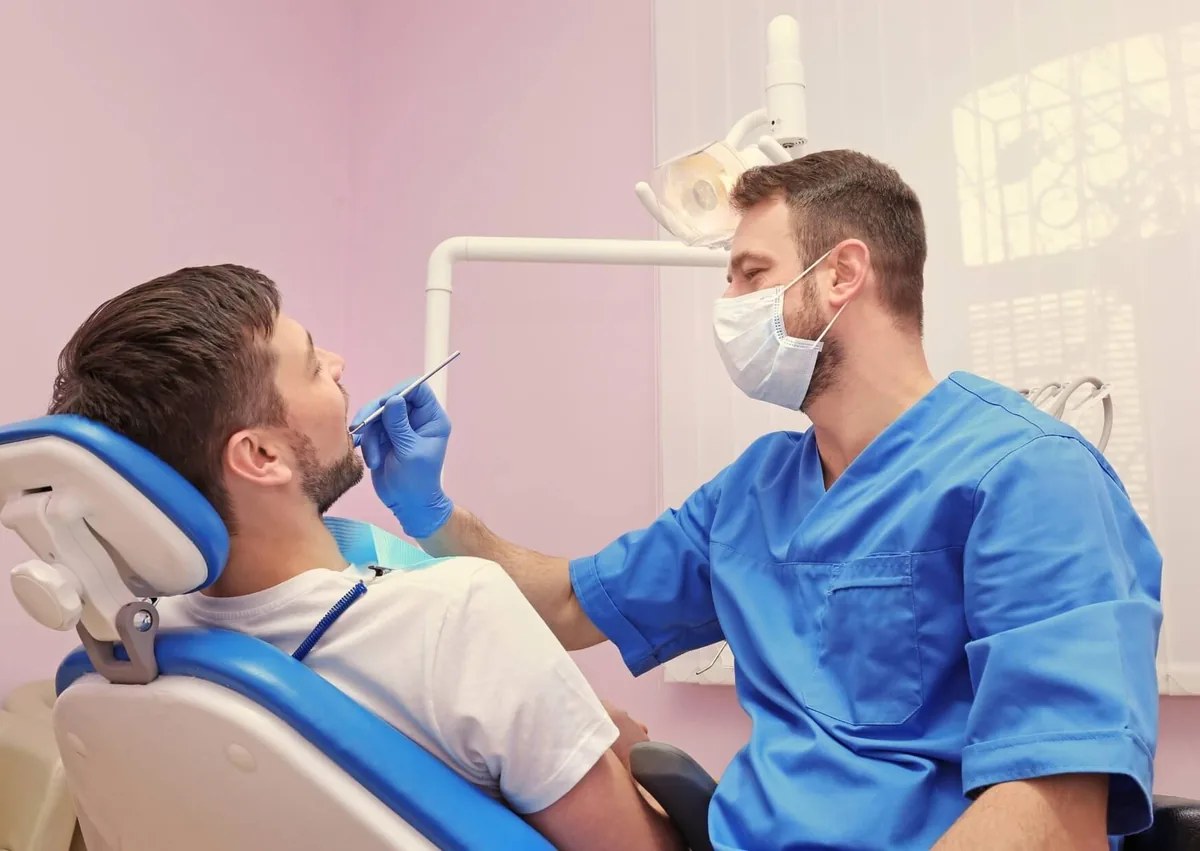
Before extraction, contact your dentist promptly for worsening tooth pain, swelling, drainage, or fever. A scheduled appointment does not mean new or worsening symptoms can safely wait.
After extraction, contact the treating office promptly for:
Seek emergency care for difficulty breathing or swallowing, rapidly spreading facial or neck swelling, or heavy uncontrolled bleeding. These symptoms should not wait for a routine dental callback.
Before your appointment, clarify any uncertainty about fasting, medicines, transportation, or aftercare with the dental team. An individualized plan helps you prepare and recognize when to ask for help.
Discussing your extraction plan with a dental team can help you prepare for the procedure and recovery. For tooth extraction care in Dallas, TX, including for patients from West Dallas and Cockrell Hill, schedule an appointment with Dulce Dental. Call (214) 337-0153 today.
Often, you can eat before an extraction performed with local anesthesia alone, but confirm with your dental team. Oral or IV sedation and general anesthesia may require fasting, with specific instructions for food and liquids.
Ask for medication instructions in advance, especially if you take blood thinners or diabetes medicines. Do not stop, skip, or change a prescribed medicine unless the clinician managing your treatment directs you to do so.
You may be able to drive after local anesthesia alone, depending on the procedure and other medicines used. If you receive sedation that affects alertness, arrange an adult driver and follow the team’s restrictions on driving afterward.
Some sedation plans require a responsible adult to remain with you after discharge. Confirm the supervision requirements before the appointment so you can arrange appropriate help.