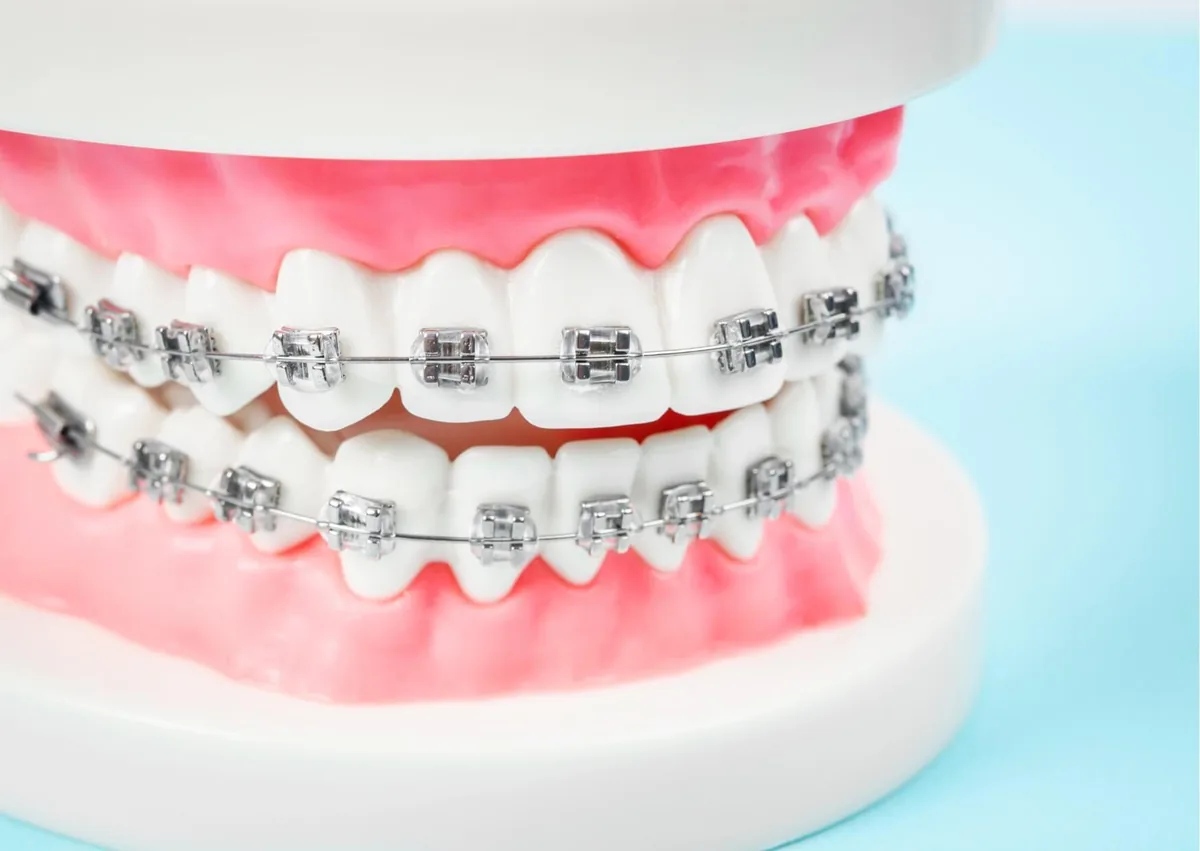
Braces usually cost about $3,000 to $8,000 in the United States, though some cases fall below or above that range. The final price depends on the type of braces, how complex the tooth or bite movement is, how long treatment lasts, local fees, insurance coverage, and what services are included.
An orthodontic consultation is the best way to get an accurate estimate. Online prices and advertised specials may not reflect the care a specific patient actually needs.
If you're trying to balance straighter teeth with a realistic budget, understanding how braces type and treatment complexity affect cost can make the decision clearer. Dulce Dental in Dallas, TX helps patients compare braces options, timelines, and included services so they know what to expect before treatment starts.
Different appliances vary in appearance, materials, maintenance, and the kinds of tooth movement they can handle. Common estimated ranges include:
Metal braces are often one of the most affordable and versatile options. Ceramic braces use tooth-colored or clear brackets, while lingual braces are placed behind the teeth and usually cost more because they require more specialized planning and adjustments.
Clear aligners are removable trays rather than braces, but many patients compare them when reviewing orthodontic costs. Clear aligners like Invisalign may work well for many concerns, although fixed braces or other appliances may be better for certain bite problems or more complex tooth movement.
These numbers are general estimates, not guaranteed fees. Prices can vary widely by region, clinician, and treatment plan.
The severity of crowding, spacing, or bite misalignment has a major effect on cost. More complex cases may need longer treatment, extra appliances, or coordination with another dental specialist.
Treatment often lasts about 12 to 24 months, though some cases are shorter and others take longer. Missed visits, broken appliances, poor aligner wear, or unexpected tooth movement can extend treatment and may increase costs depending on the office's financial agreement.
Age can also affect the plan, even though adults and children may have similar base fees. Some children benefit from phased treatment, while adults may need gum disease treatment, restorative care, or management of missing or worn teeth before or during orthodontic care.
Orthodontics is the dental specialty focused on moving teeth and correcting bite relationships. Orthodontists are dentists with additional specialty training, while some general dentists provide selected orthodontic services.
A full treatment fee may include the exam, digital scans or impressions, X-rays, appliance placement, routine adjustment visits, and removal of the braces. Some plans also include the first set of retainers and a short follow-up period after active treatment.
Ask for a written estimate showing exactly what is included. Records, replacement retainers, emergency repairs, extra treatment time, tooth extractions, or other dental procedures may be billed separately.
It also helps to ask whether the quoted fee can change if treatment takes longer than expected. Review policies for missed appointments, broken brackets, lost aligners, early cancellation, and transfer of care.
Dental insurance sometimes includes a separate lifetime orthodontic benefit instead of paying a percentage at every visit. Coverage may be limited by age, waiting periods, appliance type, or whether the clinician is in network.
Confirm benefits directly with the insurance company and ask whether a pre-treatment estimate is available. Even then, it may not guarantee payment if the policy changes before treatment is finished.
Many offices offer monthly payment plans. Some also accept flexible spending accounts or health savings account funds when allowed under current tax rules.
Third-party financing may be available as well, but interest rates, fees, and repayment terms should be reviewed carefully. When comparing offices, focus on the total treatment fee and included services, not just the monthly payment.
Before braces are placed, cavities and active gum disease usually need to be treated. In some cases, a dentist may also recommend a professional cleaning or tooth removal to create space or improve oral health before treatment.
Brackets and wires can trap plaque, which raises the risk of tooth decay, gum inflammation, and permanent white marks on enamel. Brush carefully around the appliances, clean between the teeth every day with floss threaders or interdental brushes, and keep up with recommended dental cleanings throughout treatment (see oral care recommendations).
Avoid hard or sticky foods that can loosen brackets or bend wires. If you use aligners, wear them as directed, remove them for most food and drinks other than water, and clean your teeth before putting them back in.
Retainers are usually needed after active treatment because teeth can shift over time. Ask whether retainers, replacements, and long-term retention visits are included when estimating the full cost of care.
Schedule an evaluation if crowded teeth, gaps, protruding teeth, difficulty chewing, or an uneven bite is causing concern. Children should have an orthodontic check by about age 7 according to the American Association of Orthodontists, although many do not need braces at that age; learn more about kid friendly dentistry.
During treatment, contact the treating office for a loose bracket, broken wire, lost aligner, appliance that no longer fits, or worsening pain. A wire that is poking the cheek or gum may need a prompt adjustment, but patients should not cut or change an appliance unless the dental team gives specific instructions.
Seek urgent dental care after significant facial or dental trauma, or for severe or worsening pain, facial swelling, fever, uncontrolled bleeding, trouble swallowing, or difficulty breathing. An exam can clarify which treatment is appropriate, what it is likely to cost, and whether any dental care should happen first.
To get a personalized cost estimate and clear next steps for braces, contact our team for a consultation that reviews treatment options and payment choices. Dulce Dental focuses on braces in Dallas, TX and serves patients from West Dallas and Oak Cliff; call (214) 337-0153 or book online to arrange an appointment.
Not necessarily. Cost is usually driven more by case complexity, treatment length, appliance type, and included services, although some insurance plans only cover orthodontics for eligible children.
Some plans provide partial orthodontic coverage, often with a lifetime maximum. Others exclude braces or only cover them when certain age or medical-necessity requirements are met.
Clear aligners can cost less, about the same, or more than metal braces. The fee depends on treatment complexity, the aligner system, the number of trays needed, and the level of clinical monitoring.
Limited treatment may cost less when only minor tooth movement is needed, but it may not correct the bite or address the underlying problem. An in-person evaluation helps determine whether a lower-cost option is clinically appropriate rather than only cosmetic.
Sometimes, but not always. Ask whether the first retainers, future replacements, and follow-up visits are part of the quoted fee.