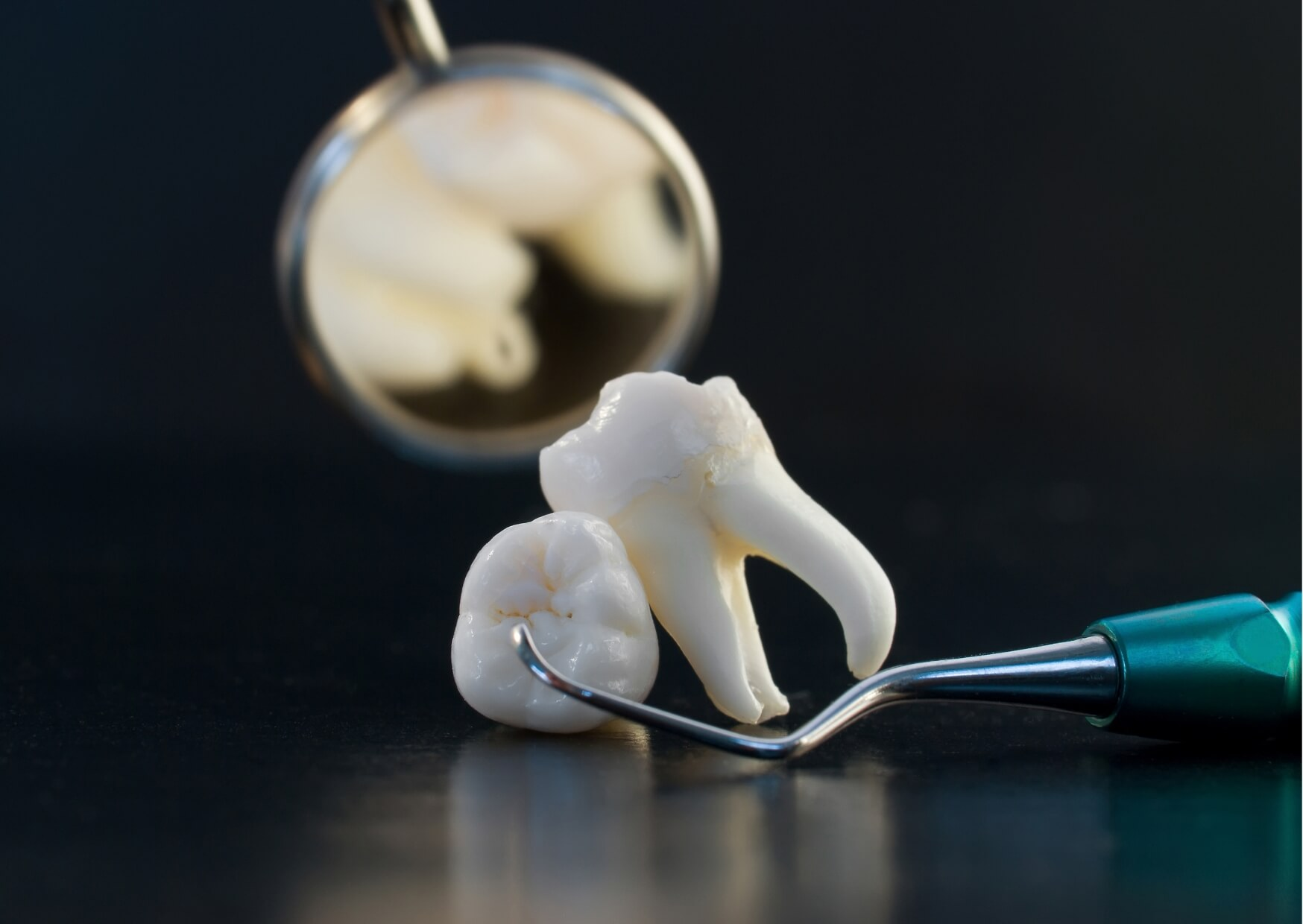
A wisdom tooth can seem to appear overnight, then stall for weeks. That stop-and-start pattern is common, and it is one reason these teeth cause so much confusion.
In most cases, once a wisdom tooth starts to come in, the process may take months to years rather than days. Some teeth erupt enough to function, some stay partly covered by gum tissue, and some never fully emerge.
The timeline depends on a few practical factors. The biggest are how much room is available in the jaw, the angle of the tooth, and whether bone, gum tissue, or the tooth in front of it is blocking the path.
Dulce Dental offers wisdom teeth removal services in Dallas, TX and provides the kind of care described here.
Wisdom teeth, also called third molars, are the last adult teeth to erupt. By the time they begin moving, the jaw is often already crowded.
If there is not enough space, the tooth may not have a clear path. It may push through the gum in stages, pause, and then move again later.
Dentists use the term impaction when a tooth is blocked and cannot erupt normally. Wisdom teeth removal may be recommended when an impacted wisdom tooth stays buried or breaks through only partway and then stops.
Partial eruption matters because it can leave a flap of gum over the tooth. Food and bacteria can collect there, which raises the risk of irritation and infection.
There is no exact countdown once symptoms begin. A wisdom tooth may start with pressure, tenderness, or a small white edge showing through the gum, then continue erupting very slowly.
A rough pattern often looks like this:
| Stage | What May Happen | Typical Timing |
| Early movement | Pressure, soreness, mild gum swelling | Intermittent over days to weeks |
| Partial eruption | A small part of the tooth becomes visible | Weeks to months |
| Slow progression | The tooth erupts a bit more, then pauses | Months to years |
| Full eruption, if space allows | The tooth reaches the bite line and can be cleaned normally | Variable, and not always achieved |
Some wisdom teeth erupt enough to settle into place. Others stay partly erupted for a long time, which can be frustrating because symptoms may come and go without fully resolving.
If the area has been sore on and off for months, that does not always mean an emergency. It does mean the tooth should be evaluated if symptoms keep returning, become harder to clean around, or start affecting the surrounding gum or nearby tooth.
The most common early sign is a dull pressure sensation at the very back of the mouth. Some people also notice tenderness when chewing, mild swelling, or a flap of gum tissue over the area.
Other symptoms may include:
These symptoms can overlap with other problems, including gum infection, decay in the second molar, or jaw joint pain. Back tooth pain does not always mean a wisdom tooth is erupting, especially if the discomfort is sharp, constant, or triggered by hot or cold.
The main issue is usually not speed alone. The bigger concern is whether the tooth is erupting in a way that can be cleaned and monitored safely.
A partially erupted wisdom tooth can trap plaque, food, and bacteria under the gum flap. That may lead to pericoronitis, which is inflammation around a partially erupted tooth.
Pericoronitis may start as local soreness and swelling. In some cases, it can progress to more significant pain, trouble chewing, a bad taste, swollen lymph nodes, or difficulty opening the mouth.
A wisdom tooth that leans forward may also press against the second molar. That can increase the risk of decay or gum damage where the teeth meet, and that area is often hard to clean well.
If a wisdom tooth has started to come in but repeatedly causes inflammation, the question is not just how long it will take. The more important question is whether the current path is safe for the surrounding teeth and gum.
If treatment is needed for inflamed gum tissue, our team can explain options and how to treat gum disease.
Some wisdom tooth symptoms can wait for a routine dental visit. Others should be assessed promptly because infection in the back of the mouth can spread.
Seek urgent care if you have:
If symptoms are severe or rapidly getting worse, seek emergency dentistry care. Trouble swallowing, breathing difficulty, or rapidly spreading swelling should not be managed with home care alone.
A dentist usually starts with an exam of the gum and the visible part of the tooth, if any is showing. The more important step is imaging, often with a panoramic X-ray, which shows the position of the wisdom tooth in the jaw.
That image helps answer questions symptoms alone cannot. It can show whether the tooth is upright, tilted, trapped under bone, or pressing against the second molar.
The X-ray may show that the tooth still has a reasonable path to erupt. It may also show that the tooth is unlikely to come in fully, even if it has already started.
This matters because a tooth can feel active without making meaningful progress. A dental exam and dental X-rays often clarify whether waiting makes sense or creates more risk.

Not every wisdom tooth needs removal. If the tooth is symptom-free, can be cleaned, and is not harming nearby structures, a dentist may recommend monitoring it over time.
If the tooth is partly erupted and repeatedly inflamed, or if it is damaging the tooth in front of it, the question of whether you need wisdom teeth extracted often comes up. In many cases, wisdom teeth removal is recommended to reduce the risk of infection, decay, gum problems, and ongoing pain.
The exact plan depends on age, anatomy, symptoms, and X-ray findings. That decision should come from an in-person dental evaluation, not the timeline alone.
Keep the area as clean as you comfortably can with normal brushing, but do not force tools or sharp objects under the gum. Aggressive cleaning can irritate the tissue and make pain worse.
Choose softer foods if chewing on that side is uncomfortable. If symptoms are escalating, especially with swelling or limited mouth opening, move the appointment up instead of waiting to see if the tooth settles down again.
General comfort measures may help temporarily, but they do not show whether the tooth is erupting safely. If the pattern keeps repeating, the safest next step is a dental exam with imaging.
If a wisdom tooth has started to come in and the timing feels unpredictable, that is normal. What matters more is whether the tooth is progressing cleanly, staying symptom-free, and leaving the surrounding teeth unharmed.
If you need wisdom teeth removal, Dulce Dental in Dallas, TX (serving West Dallas and Oak Cliff) can help. Call us at 214-337-0153 to schedule an appointment.
It may last a few days during one phase of eruption, then return later if the tooth continues to move or stays partly covered by gum tissue. Pain that is severe, persistent, or comes with swelling should be evaluated.
Yes. That is a common pattern. A tooth may partially erupt and then stall because of limited space, gum coverage, bone resistance, or an angled position.
No. A visible portion of the tooth does not guarantee full eruption. Some teeth remain partially erupted for long periods and may still become impacted.
That depends on symptoms, position, and risk to nearby teeth. Recurrent infection, repeated pain, damage to the second molar, or an unfavorable X-ray pattern are common reasons removal may be recommended.
Yes. Wisdom teeth do not always erupt symmetrically. One may come in earlier, later, partially, or not at all compared with the others.