Full mouth dental implants cost usually ranges from about $20,000 to $90,000 or more for both arches in the United States. The total depends on the type of restoration, how many implants are needed, whether you need extractions or grafting, the materials used, sedation, and local fees.
If you're weighing options to restore all teeth or reduce denture-related limitations, dental implants can provide stable, long-term support tailored to your needs. Dulce Dental in Dallas, TX offers careful treatment planning and personalized cost guidance so you can compare realistic options.
“Full mouth dental implants” usually means replacing all or nearly all teeth in the upper jaw, lower jaw, or both. In many cases, several implants support a full-arch bridge or an implant-supported denture instead of placing one implant for every missing tooth.
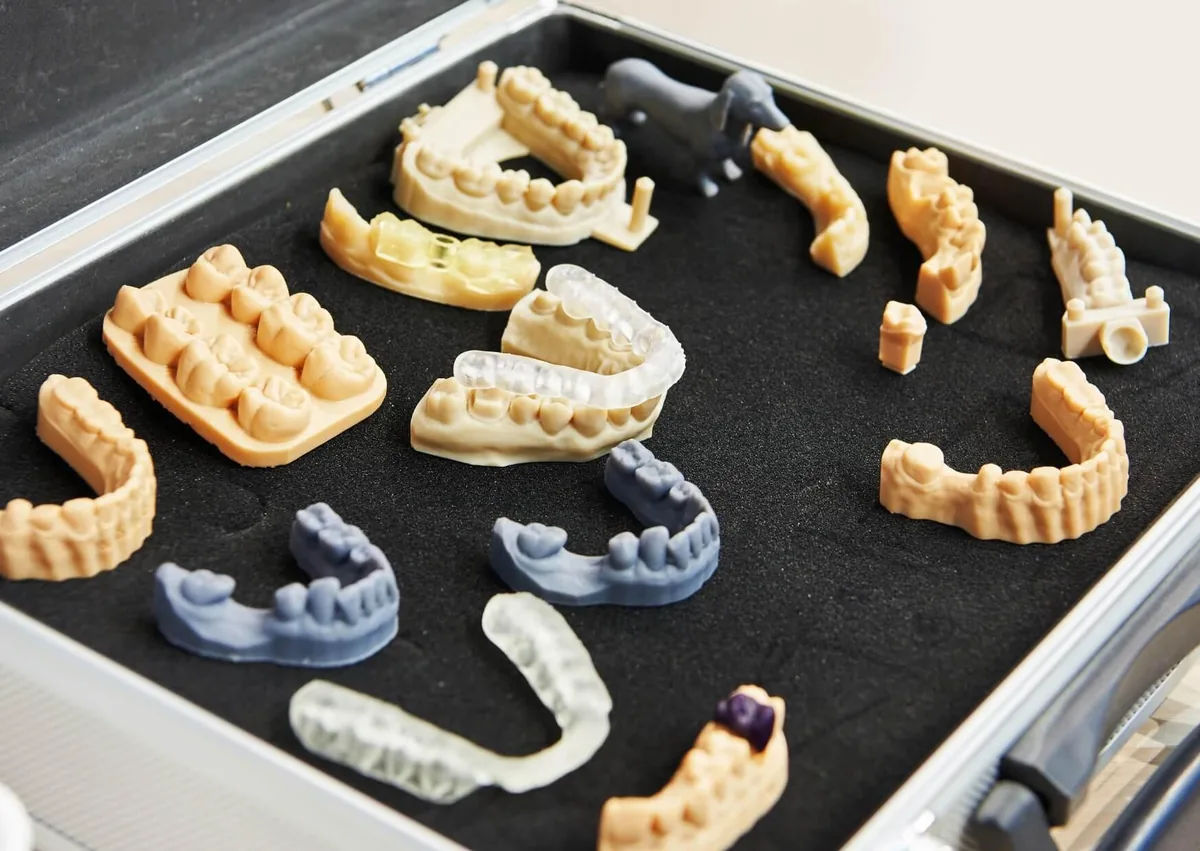
A written estimate may include the consultation, 3D cone-beam CT imaging, extractions, implant placement, temporary teeth, abutments, and the final restoration. Some offices list these separately, so sedation, follow-up care, or bone grafting may add to the total.
If imaging is part of the workup, ask whether the quote includes digital dentistry tools such as cone-beam CT scans and digital treatment planning. These details can affect both accuracy and price.
Ask whether the quoted price covers one arch or both arches, temporary and final teeth, lab fees, sedation, and possible adjustments. It also helps to ask how long the estimate is valid and what the repair or warranty policy does not cover.
The type of restoration has a major effect on cost, feel, cleaning needs, and long-term maintenance. These are broad U.S. estimates, not guaranteed fees.
|
Treatment Type |
How It Works |
Broad Estimated Cost |
|---|---|---|
|
Implant-retained removable denture |
A removable denture snaps onto implants |
About $8,000 to $25,000 per arch |
|
Fixed full-arch implant bridge |
A dentist-secured bridge rests on several implants |
About $20,000 to $45,000 or more per arch |
|
Individual implant restorations |
Multiple implants support separate crowns or smaller bridges |
Often $30,000 to $60,000 or more per arch |
A removable option often costs less and may be easier to clean. However, it still needs to be removed for hygiene and may not feel as natural as a fixed option.
A fixed bridge usually offers more stability and stronger chewing function, but it often costs more and requires careful cleaning underneath. If you are comparing implant-supported options with traditional dentures, consider maintenance, replacement timing, speech, and comfort.
The final price depends on more than the implants themselves. Bone quality, bite forces, jaw anatomy, and the chosen restoration all affect the plan.
A lower advertised fee may reflect fewer included services, temporary teeth instead of final teeth, or lower-cost components. That is why itemized estimates matter.
Bone loss is one of the most common reasons costs increase. Some patients need bone grafting or sinus augmentation before implants can be placed safely.
Material choice also changes the price. Acrylic or composite teeth on a metal framework may cost less than zirconia, while zirconia may offer better stain resistance and durability for some cases.
Other factors include sedation, specialist involvement, lab fees, and local market pricing. Smoking, active gum disease, teeth grinding, and certain medical conditions can also increase complexity and risk.
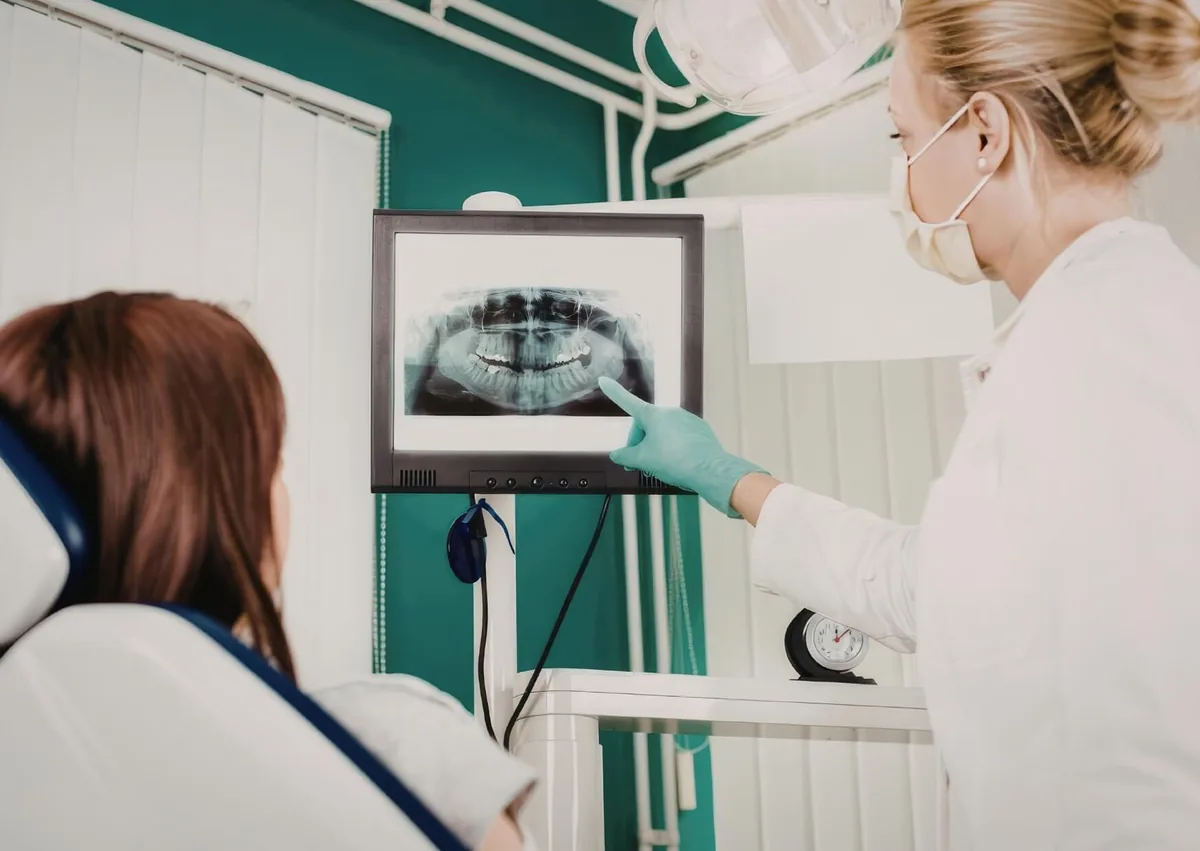
Treatment starts with a health history, dental exam, bite evaluation, and detailed imaging. The dentist checks gum health, available bone, nearby nerves and sinuses, and whether any remaining teeth should be saved.
In some cases, extractions, implant placement, and temporary teeth can happen on the same day. Same-day teeth do not mean same-day healing.
Implants usually need several months to fuse with the bone through osseointegration before the final restoration is placed. During that healing period, patients often need a softer diet and close follow-up.
Temporary teeth may need adjustments as swelling decreases and tissues settle. Even with careful planning, no dentist can guarantee that every implant will integrate successfully.
Dental insurance may help with parts of treatment such as extractions, imaging, or dentures, but many plans limit implant coverage. Some patients look for insurance help when reviewing benefits, though actual coverage depends on the policy.
Medical insurance may sometimes contribute after trauma, tumor surgery, or another qualifying medical condition. This is less common and remains plan-specific.
Financing can make treatment more manageable, but compare the annual percentage rate, fees, and total repayment amount. A lower monthly payment does not always mean a lower overall cost.
When comparing estimates, review the number of implants, restoration material, implant system, provider qualifications, and included follow-up care. Be cautious with unusually low package pricing that does not clearly explain exclusions.
Before treatment, active gum disease should be controlled. You should also discuss diabetes, immune conditions, osteoporosis medications, radiation history, and any tobacco or nicotine use with the dental team.
After placement, follow the cleaning and diet instructions closely. Long-term care usually includes brushing, cleaning around the implants or under the bridge, professional maintenance, and periodic X-rays when needed.
Implant-supported teeth cannot get cavities, but the surrounding gums and bone can still become inflamed or infected. A nightguard may also be recommended if you grind your teeth.
Seek prompt dental care for worsening swelling, persistent bleeding, pus, fever, a bad taste, increasing pain, numbness that does not improve, or anything that feels loose. Trouble breathing, trouble swallowing, rapidly spreading swelling, or heavy uncontrolled bleeding needs urgent medical attention.
A focused implant consultation can clarify implant numbers, necessary bone grafting, restoration types, and an itemized estimate to compare true costs. Contact Dulce Dental for dental implants in Dallas, TX, serving nearby West Dallas and Cockrell Hill; call (214) 337-0153 or schedule to discuss your treatment plan.
Some plans help pay for parts of treatment, but many have low annual maximums or exclude implants entirely. Ask for a written pre-treatment estimate, but remember that it is not a guarantee of payment.
A full-arch bridge supported by several implants is usually less expensive than replacing every missing tooth with a separate implant and crown. For a comparison point, see cost of dental implants.
Implants and temporary teeth may sometimes be placed in one day. Healing still takes months, and the final restoration is usually made after implant stability and tissue healing are confirmed.
Implants can last many years, but longevity depends on health, hygiene, smoking, bite forces, and maintenance. For more detail, see how long dental implants last.
Price alone does not determine safety or quality. Ask about clinician training, implant components, sterilization standards, restoration materials, follow-up care, and what happens if an implant does not integrate.