Dental bonding is a good option for small cosmetic changes and minor tooth damage. It can repair chips, close narrow gaps, improve tooth shape, and cover some discoloration in one visit while preserving most natural tooth structure.
Bonding works best for limited changes. It is less durable and less stain-resistant than porcelain veneers or crowns, so the right option depends on the tooth's condition, bite forces, appearance goals, and budget. It is also often used as part of a smile makeover when several front teeth need small improvements.
If you have small chips, narrow gaps, or minor discoloration and want a conservative, same-day repair that preserves tooth structure, cosmetic bonding can address those issues. Dulce Dental in Dallas, TX provides focused evaluations and efficient treatment to restore appearance and function.
Dental bonding can improve chipped teeth, slightly cracked teeth, uneven edges, worn corners, and teeth that look smaller than the ones next to them. It can also close small spaces, cover some stains, protect an exposed root surface, or repair a small area of decay when composite resin is appropriate.
Bonding has limits. Large fractures, extensive decay, major alignment problems, severe discoloration, or teeth weakened by large fillings may need a different treatment, such as orthodontics, a veneer, an inlay or onlay, or a crown.
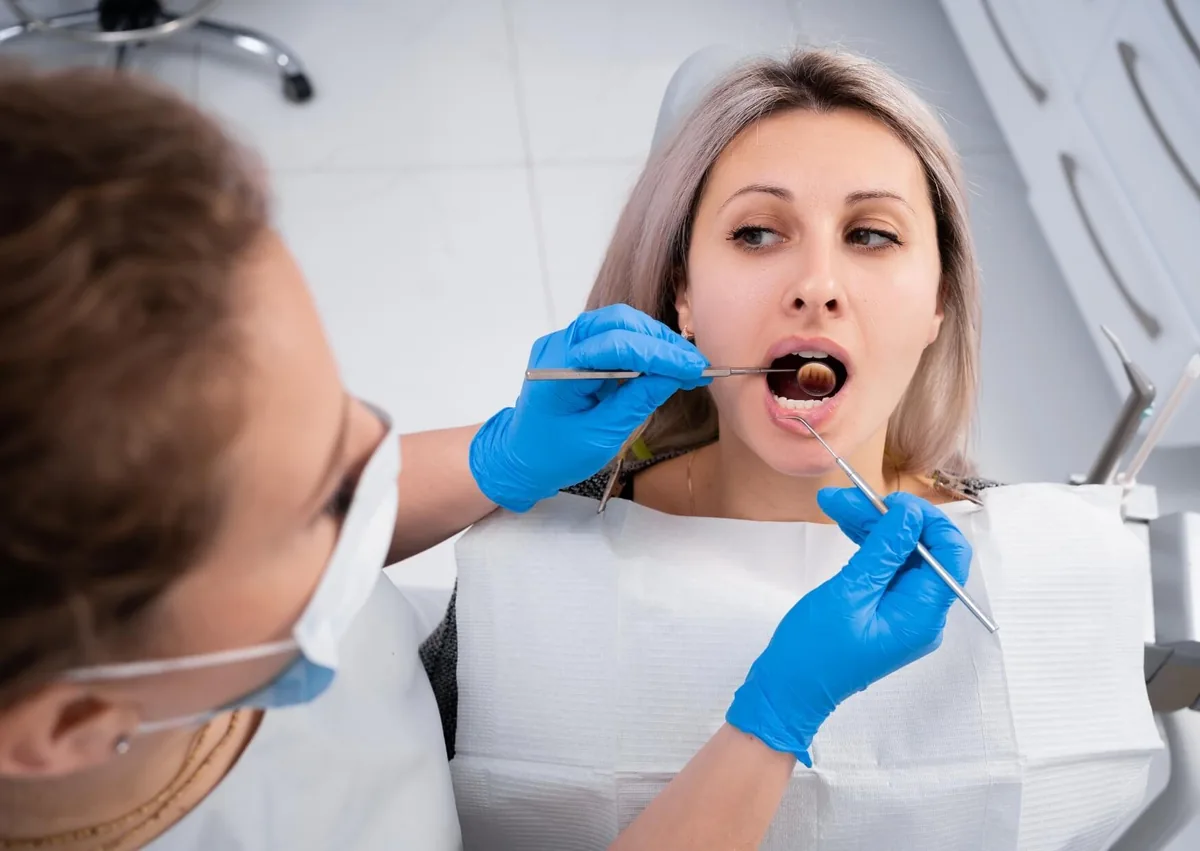
A dental exam matters before treatment. The dentist may check the tooth, gums, and bite and may take X-rays if there are signs of decay, root problems, or deeper damage.
The dentist first chooses a resin shade that matches the surrounding teeth. The tooth surface is then lightly prepared and conditioned so the material can bond securely.
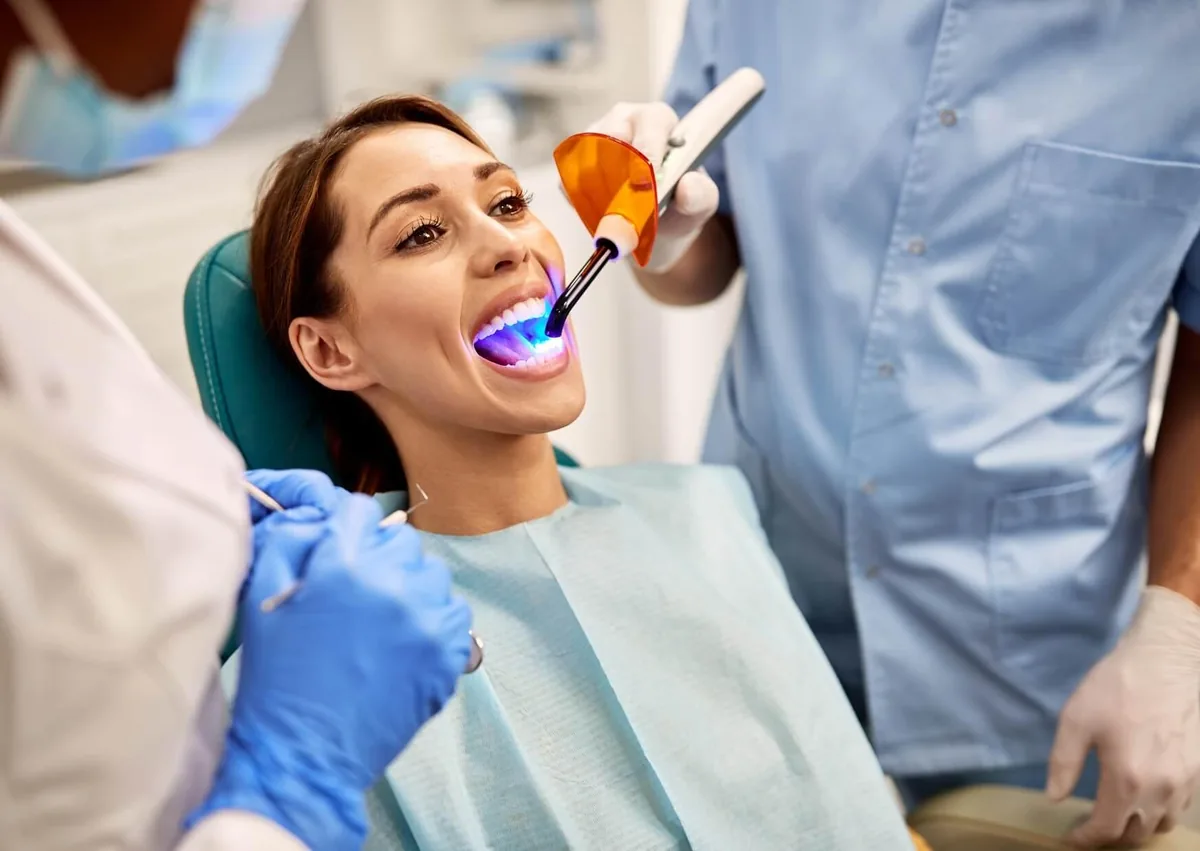
Next, the resin is applied in layers, shaped to the right contour, and hardened with a curing light. The dentist then trims and polishes the bonded area so it blends with the rest of the tooth.
Many dental bonding visits take about 30 to 60 minutes per tooth. The exact time depends on how many teeth are treated and how detailed the repair is.
Anesthesia is often not needed when bonding stays on the enamel, which is the hard outer layer of the tooth. Numbing may be needed if the dentist is treating decay, working near a sensitive area, or repairing deeper damage.
Dental bonding is usually the least invasive option because it often preserves more natural tooth structure. Veneers and crowns usually require more preparation, but they may offer greater durability or cover more extensive damage.
For a more direct comparison, see bonding vs. veneers.
|
Treatment |
Common Purpose |
Tooth Preparation |
Typical Considerations |
|---|---|---|---|
|
Dental bonding |
Small chips, gaps, shape changes, or localized discoloration |
Minimal in many cases |
Efficient and repairable, but more prone to staining and chipping |
|
Broader cosmetic change to a visible front surface |
Some enamel is usually removed |
Strong stain resistance, but higher cost and usually irreversible |
|
|
Crown |
Protection and restoration of a substantially damaged tooth |
Tooth is reshaped for full coverage |
More extensive treatment that may be appropriate for weakened teeth |
No single option is best for every tooth. A dentist should assess how much healthy structure remains and whether grinding, clenching, or the bite could overload the restoration.
Dental bonding often lasts several years, but there is no fixed lifespan. How long it holds up depends on the size of the bonded area, where it is placed, oral hygiene, diet, and habits such as nail biting or chewing ice.
Composite resin can stain over time. Coffee, tea, red wine, tobacco, and other dark pigments can gradually change its color, and bonded material does not respond to whitening products.
Because of that, whitening is often discussed before bonding when both treatments are being considered. If the material becomes rough, chipped, or stained, a dentist may be able to polish it, repair it, or add to it instead of replacing it completely.
Most people return to normal activities right away. The tooth may feel a little different at first, but it should not feel persistently high or uncomfortable when you bite.
Brush twice a day with fluoride toothpaste, clean between the teeth daily, and keep up with regular dental visits. To help the bonding last, avoid chewing ice, biting fingernails, opening packages with your teeth, or repeatedly biting hard objects.
Front teeth with bonding should be used carefully with hard foods. If you grind or clench your teeth, a dentist may recommend a night guard after checking your bite. If you want to learn more about wear from grinding, read how to fix grinded teeth.
Call a dentist if the bonded area feels sharp, looks cracked, seems loose, or becomes discolored at the edges. You should also be evaluated if your bite feels uneven after treatment.
Persistent sensitivity, pain when biting, gum swelling, or a bad taste may point to a problem with the tooth or restoration rather than a simple cosmetic issue. Those symptoms should not be ignored.
Seek prompt care after significant dental trauma or if a fracture causes severe pain, bleeding, or an exposed inner surface. Facial swelling, fever, trouble swallowing, trouble breathing, or swelling near the eye needs urgent evaluation, and breathing or swallowing problems require emergency care.
Even if the concern seems cosmetic, an exam can confirm whether cosmetic bonding is a predictable option or whether decay or structural damage needs treatment first. A dentist can also explain maintenance, alternatives, and expected costs for that specific tooth.
If you are ready to confirm whether bonding is right for your tooth, a focused evaluation can compare conservative cosmetic bonding with other options. Contact Dulce Dental in Dallas, TX, serving West Dallas and Cockrell Hill. Call (214) 337-0153 to schedule an appointment.
Bonding that stays on the enamel is often comfortable and may not require anesthesia. If decay or deeper tooth structure is involved, the dentist can discuss numbing options to keep treatment comfortable.
No. Dental bonding is durable, but it can eventually stain, chip, wear down, or separate from the tooth and may need polishing, repair, or replacement.
Bonding can close some small gaps by adding resin to the sides of nearby teeth. Larger or uneven spaces may be better treated with orthodontics or another option that protects tooth proportions and bite function.
Whitening products can lighten natural teeth, but they do not predictably change the color of composite resin. If teeth whitening is planned, it is often done first so the bonding can be matched to the final tooth shade.
For a more detailed breakdown, see the cost of teeth bonding. Cost depends on the number of teeth treated, the complexity of the repair, the location of the tooth, and whether the treatment is cosmetic or medically necessary.
Dental insurance may cover some restorative bonding but often does not cover treatment done only to change appearance. Ask for a written estimate and confirm benefits with your insurer before treatment.