A missing tooth can seem like a cosmetic issue at first, until your bite starts to shift, food gets trapped more easily, and the jawbone begins to thin over time. At that point, the dental implants cost question becomes more than a simple price comparison. It becomes a decision about function, bone health, appearance, and how much complexity you may be taking on later.
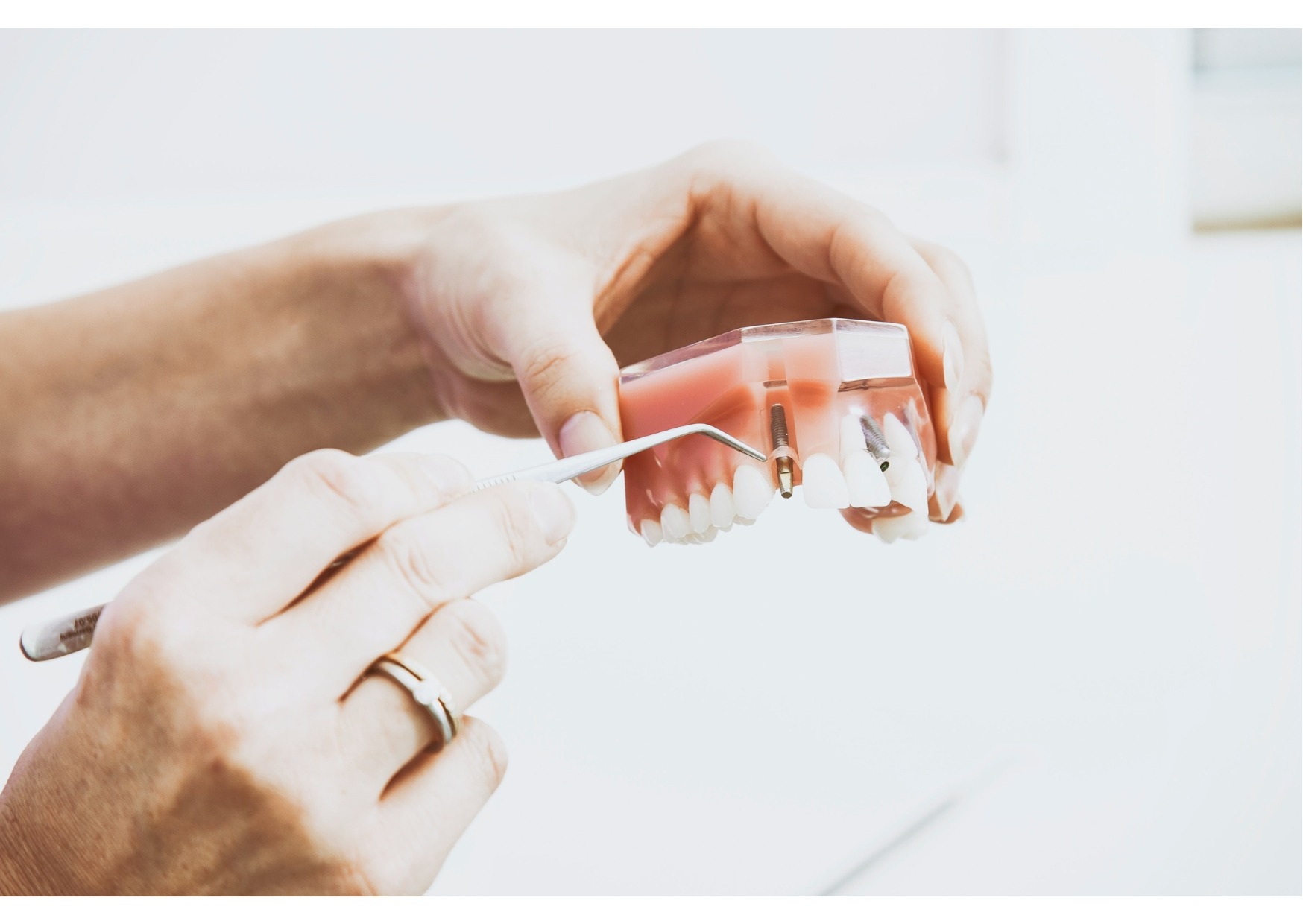
Dental implants are one of the most advanced ways to replace missing teeth because they do not just sit on the gums. A titanium or ceramic post is placed in the jaw to act like an artificial tooth root, then topped with a connector and a crown. That design is one reason implants often feel more stable than removable options, but it is also why pricing can vary so much from one case to another.
At Dulce Dental in Dallas, TX, patients receive personalized guidance on implant treatment, timelines, and restorative options. Our team works closely with individuals who may need extractions, grafting, or guided implant placement while helping them better understand the full cost of dental implants and what their treatment plan may involve.
The price of implant treatment is rarely a single number because the procedure is not a single event. It is a sequence of diagnostics, planning, surgery, healing, and final restoration. A straightforward case with strong bone and healthy gums usually costs less than a case that needs grafting, extractions, or treatment for gum disease first.
Several factors commonly affect total cost:
This is why one office may advertise a low starting price while another gives a much higher estimate. In many cases, the difference is not just markup. It reflects what is included, how complex the case is, and how carefully the treatment is being planned.
A full implant fee often includes more than the implant itself. Patients sometimes hear a promotional number and assume it covers the entire process, only to learn later that imaging, the abutment, or the crown are billed separately.
A typical treatment plan may include:
| Part of Treatment | What It Means |
| Consultation and exam | Review of dental history, bite, gum health, and suitability for implants |
| Digital imaging | Often a 3D cone beam scan to evaluate bone, nerves, and sinus position |
| Tooth extraction if needed | Removal of a damaged tooth before implant placement |
| Implant placement surgery | Insertion of the implant post into the jawbone |
| Healing phase | Time for osseointegration, which often takes 3 to 6 months, meaning the bone fuses to the implant surface |
| Abutment | The connector piece between the implant and the crown |
| Final crown | The visible replacement tooth |
| Follow-up visits | Monitoring healing, fit, and bite function |
If you're unsure about extractions and how they might affect timing or price, learn whether you need wisdom teeth extracted.
If a quote seems dramatically lower than expected, it is worth asking whether every stage is included. A low headline price can become much less appealing if the crown, imaging, or surgical guides cost extra.
Modern implant dentistry relies heavily on digital planning. A cone beam CT scan creates a three-dimensional image of the jaw, allowing the dentist to map bone contours, identify nearby nerves, and assess sinus anatomy before surgery. That technology adds cost, but it also reduces guesswork and can support more predictable outcomes, especially in areas where anatomy is tight.
In some practices, guided implant surgery is used. This involves digital planning software and a custom surgical guide that helps place the implant at a precise angle and depth. For the right case, digital dentistry and guided implant placement can support better crown positioning and cleaner restorative outcomes. It is not always required, but it can be a meaningful reason one treatment plan costs more than another.
The same principle applies to materials. Implant components and crowns are not all identical. Differences in manufacturing standards, restorative design, and lab quality may affect longevity, appearance, and fit. Lower pricing is not automatically a problem, but unusually low pricing should prompt careful questions.
Implants are one area where aggressive discounting can create real risk. A very low fee may reflect stripped-down planning, lower-cost components, limited follow-up, or treatment being pushed before the gums and bone are healthy enough to support it. That does not mean every affordable office is cutting corners, but it does mean patients should look beyond the advertisement.
Questions worth asking include:
The most helpful estimate is a clear one. Patients understandably want to control costs. At the same time, an implant is being placed into living bones near nerves, sinuses, and neighboring teeth. That is why transparent planning matters.
Some of the biggest cost increases happen when the mouth has been under stress for a long time. After a tooth is lost, the jawbone in that area often begins to resorb, meaning it shrinks because it is no longer supporting a tooth root. If too much bone loss has occurred, the site may need grafting before or during implant placement.
A bone grafting procedure adds structure where the jaw has thinned. In the upper back jaw, a sinus lift may sometimes be needed if the sinus floor sits too low for safe implant placement. These procedures are common in implant dentistry, but they increase both treatment time and total cost.
Active periodontal disease, also called gum disease, can threaten implant success because it affects the tissues that support teeth and implants. If inflammation, deep pockets, or untreated infection are present, a dentist may recommend stabilizing the gums first; learn how to treat gum disease. That may feel like a delay, but it is often the safer path.
Replacing several teeth can be done in different ways. Sometimes each tooth gets its own implant. In other cases, a bridge or full-arch prosthesis is supported by fewer implants. The best design depends on bone distribution, bite forces, esthetic goals, and budget. Because of that, there is no single answer to what multiple implants should cost.
This is the part many patients do not hear early enough. The cost of dental implants may rise over time if treatment is delayed after tooth loss. Bone can shrink, neighboring teeth may drift, the opposing tooth may over-erupt, and the bite can become less stable. What started as a single missing tooth can become a more involved reconstruction.
That does not mean every missing tooth becomes an emergency. It does mean timing matters. If you are not ready for treatment right away, even getting an evaluation can be useful because it documents the current condition and clarifies what may happen if the site is left untreated.
In some cases, delaying care also means living longer with a removable partial denture that rubs the gums, traps food, or feels unstable while chewing. Those quality-of-life costs are harder to measure, but they are still real.
Implants often cost more upfront than a traditional bridge or removable denture. That is one reason many patients compare options carefully. The key difference is that an implant replaces the root as well as the crown, while a bridge relies on neighboring teeth for support and a denture rests on the gums.
Here is the practical comparison:
| Option | Typical Strengths | Common Limitations |
| Dental implant | Helps preserve bone, does not depend on adjacent teeth, often feels more natural | Higher upfront cost, longer treatment timeline |
| Dental bridge | Faster in some cases, no surgery required for some patients | Usually requires reshaping adjacent teeth, does not prevent bone loss at the missing tooth site |
| Removable denture or partial | Lower initial cost, non-surgical option | May move during chewing, can affect speech, may accelerate pressure-related bone changes over time |
For many patients, the decision is not simply about the cheapest option today. It is about which option is most likely to protect function and reduce future dental work. That is where implants often become compelling despite the higher initial investment.
Sometimes a patient starts by asking about replacement cost, but the real issue is an active problem that should be assessed sooner. Urgent dental red flags include facial swelling, fever, pus drainage, severe pain, a bad taste that keeps returning, trauma to the mouth, or sudden loosening of a tooth near the planned implant site.
A broken tooth with infection, advanced gum disease, or a failing old bridge may need treatment before implant planning can even begin. If symptoms are worsening, severe, or unclear, a dental evaluation is the safest next step. Cost matters, but untreated infection and progressive tissue loss can make later treatment more difficult.

A useful implant quote should be detailed enough to compare, not just attractive enough to win attention. Ask for a written treatment plan that separates diagnostics, surgery, grafting if needed, the abutment, the crown, and follow-up care. If there are multiple ways to replace the tooth, ask why one option is being recommended over another.
It is also reasonable to ask about financing, phased treatment, and whether insurance may contribute to parts of care such as extractions or crowns. Coverage for implants varies widely, and many plans still treat implant treatment differently from other restorative work.
In many cases, the best quote is not the cheapest one. It is the one that makes the biology, the sequence, the risks, and the long-term maintenance clear. That kind of transparency usually signals a more careful practice.
Restore your smile with personalized implant care at Dulce Dental in Dallas, TX. Whether you are replacing a single tooth or exploring full-mouth restoration options, our team can guide you through every step of the process with clear treatment planning and advanced dental technology. Call +1 214-337-0153 today to schedule your consultation and learn more about the cost of dental implants and the options available for your long-term oral health.
The difference may reflect imaging, grafting, materials, lab quality, specialist involvement, or whether the crown and follow-up visits are included. A much lower quote is not always wrong, but it should be examined closely.
Some dental plans may cover parts of treatment, such as exams, extractions, or the crown, while others offer limited or no implant coverage. Benefits vary, so it is best to confirm details directly with the plan and the dental office.
For many patients, implants are worth considering because they can improve chewing, stability, and bone preservation. Whether they are the best value depends on oral health, anatomy, goals, and budget.
Sometimes waiting is possible, but the site may change over time. Bone loss, tooth movement, and bite changes can make later treatment more complex, so an evaluation is wise even if treatment is postponed.
A dentist may discuss grafting or alternative replacement options depending on the area and overall oral health. The right approach depends on imaging, gum condition, and the amount of remaining bone.